
-
About UsProductsCustomized SolutionProjectGalleryNews
News
Why Woven Metal Fabric Interiors Is Preferred in the Middle East
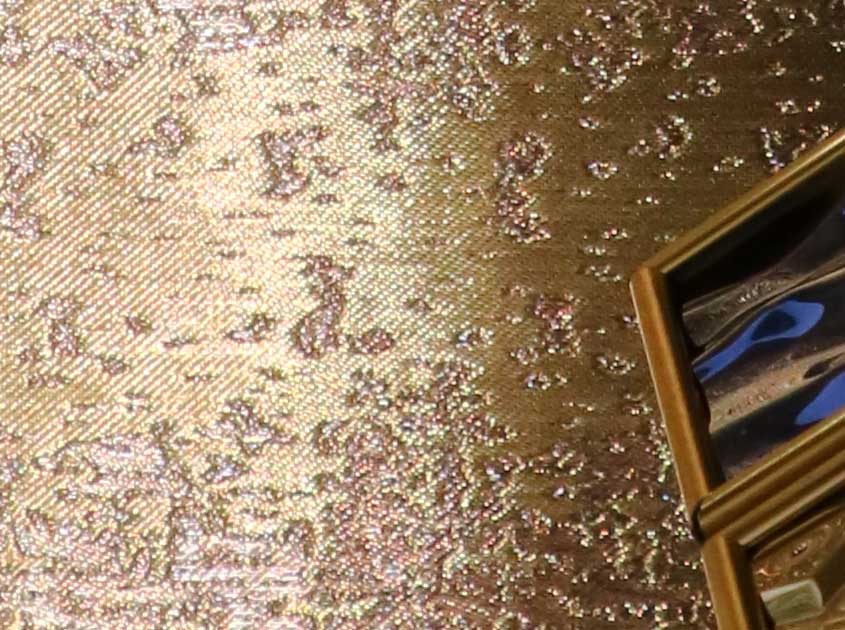
Release time: January 14, 2026In recent years, woven metal fabric interiors have become one of the most demanded architectural and interior materials in the Middle East. From luxury hotels in Dubai and Riyadh to shopping malls, mosques, airports, and office towers, metal fabric is now replacing traditional wood, glass, and gypsum in many interior applications.
But why is this material so strongly preferred in Middle Eastern projects?
The answer lies in climate, culture, design trends, and performance requirements — all of which make woven metal fabric the ideal interior solution.
1. Extreme Climate Requires Extreme Materials
The Middle East is known for:
High temperatures
Strong sunlight
High humidity in coastal cities
Dust and sand
Traditional interior materials such as wood, MDF, wallpaper, and painted gypsum panels degrade quickly under these conditions. They warp, fade, crack, and lose their finish.
Woven metal fabric, made from stainless steel, aluminum, or copper alloys, offers:
Heat resistance
UV stability
Zero warping
Long-term color stability
No mold or moisture damage
That is why developers prefer metal interiors for airports, malls, hotels, and government buildings.
2. Perfect Match with Middle Eastern Architectural Style
Middle Eastern architecture is famous for:
Geometric patterns
Islamic lattice designs
Mashrabiya screens
Light-and-shadow effects
Woven metal fabric naturally reproduces these elements.
It can be manufactured in:Diamond
Square
Hexagonal
Custom Islamic patterns
This allows designers to create:
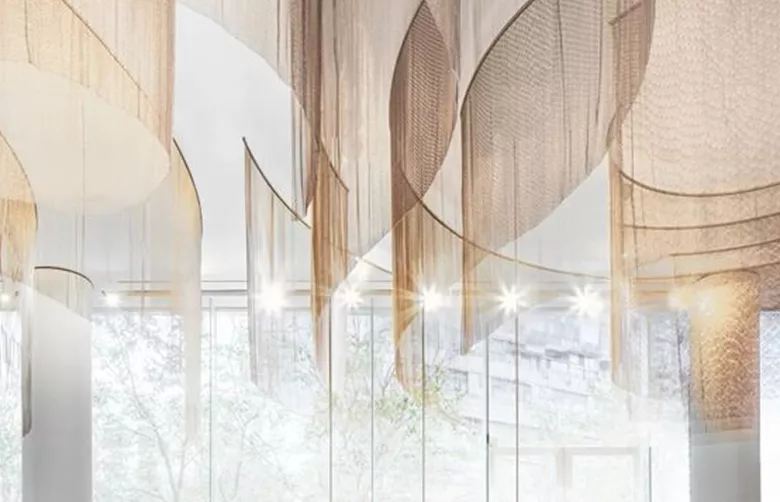
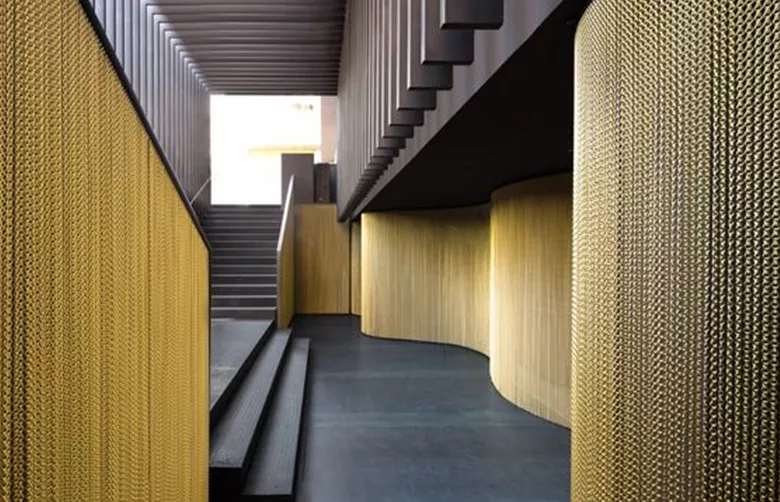
Decorative partitions
Ceiling panels
Wall cladding
Light screens
with both cultural identity and modern luxury.
3. Fire Safety and Building Regulations
Middle East building codes for:
Hotels
Airports
Shopping malls
High-rise towers
require strict fire resistance.
Unlike wood or plastic panels, woven metal fabric is:
Non-combustible
Smoke-free
Flame resistant
This makes it one of the safest interior decorative materials available.
4. High-End Appearance with Low Maintenance
Luxury projects in the Middle East require:
Premium look
Long life
Low maintenance
Woven metal interiors deliver:
Metallic shine
Luxury texture
Modern elegance
At the same time, they:
Do not fade
Do not peel
Do not crack
Are easy to clean
This reduces maintenance cost for hotels, malls, and public buildings.
5. Ideal for Light, Air, and Space Control
Middle Eastern architecture often requires:
Natural airflow
Light filtering
Visual privacy
Woven metal fabric allows designers to:
Block direct sunlight
Allow airflow
Create privacy without closing space
This makes it perfect for:
Lobbies
Atriums
Corridors
Restaurants
Prayer areas
6. Strong Demand from Mega Construction Projects
The Middle East is building:
Smart cities
Mega airports
Luxury resorts
Exhibition centers
These projects demand:
Large quantities
Custom sizes
High consistency
China has become the main supply base because Chinese manufacturers can provide:
Mass production
Custom weaving
Surface coating
Export packaging
7. Why Middle East Buyers Source from China
Chinese woven metal fabric manufacturers offer:
Stainless steel 304 / 316
Aluminum architectural mesh
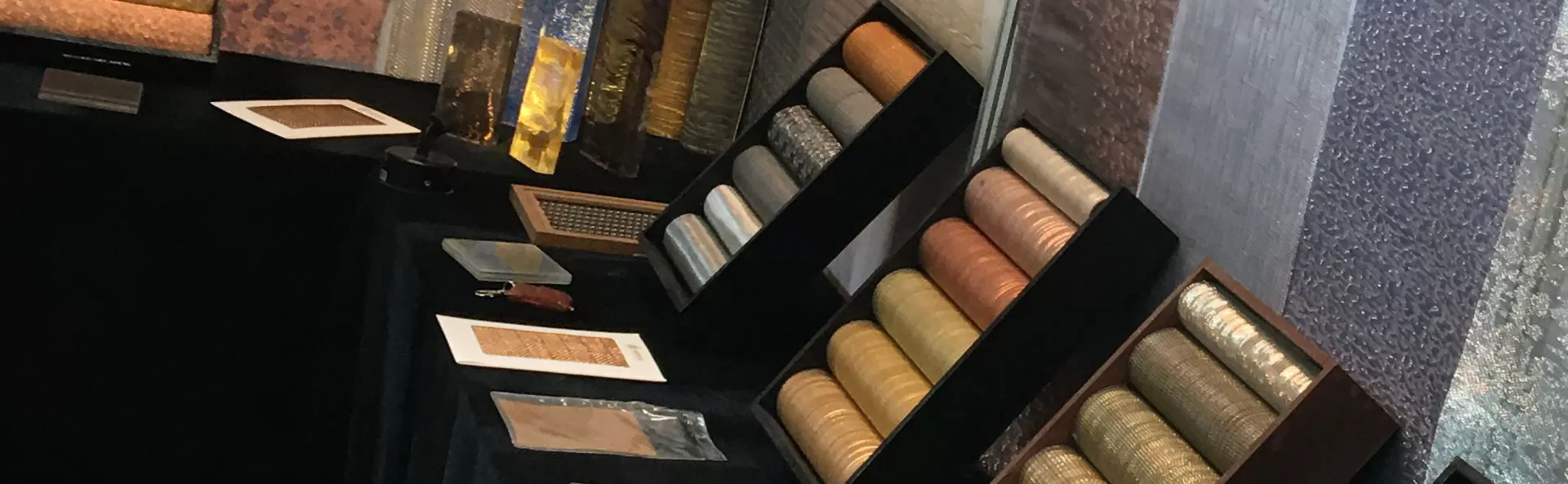
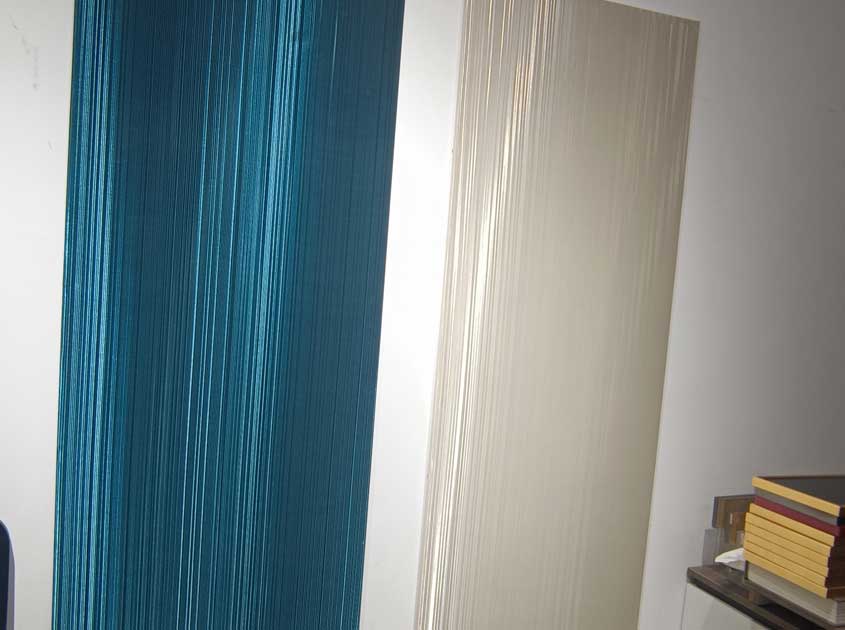
Custom finishes
Competitive pricing
Project-level engineering support
This is why major contractors in UAE, Saudi Arabia, Qatar, and Kuwait import directly from Chinese factories.
Final Conclusion
Woven metal fabric interiors are preferred in the Middle East because they perfectly combine:
Climate resistance
Cultural design
Fire safety
Luxury appearance
Long-term durability
For modern Middle Eastern architecture, metal fabric is no longer just a decorative option — it is a core building material.
Professional Chinese manufacturers now supply most of the woven metal interiors used in the Middle East’s world-class construction projects.
Recommended News