
-
About UsProductsCustomized SolutionProjectGalleryNews
News
Common Challenges When Importing Architectural Wire Mesh to the Middle East
Release time: December 30, 2025The Middle East is a dynamic and rapidly growing market for architectural wire mesh, used in a variety of applications including modern facades, interior designs, security systems, and landscaping. As demand for high-quality decorative and functional mesh continues to rise, more businesses and contractors are turning to international suppliers, particularly from China, to meet their needs.
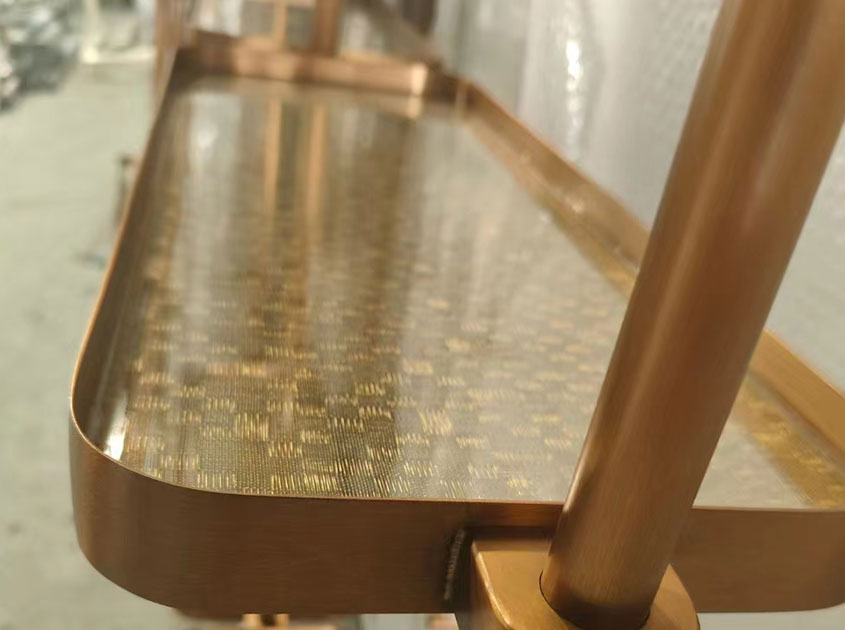
However, while importing architectural wire mesh from China to the Middle East offers many benefits—such as cost-effectiveness and access to advanced manufacturing techniques—there are also several challenges to consider. In this article, we’ll explore some of the common obstacles faced by businesses and distributors when importing architectural wire mesh to the Middle East, as well as strategies for overcoming them.
1. Understanding Local Standards and Regulations
One of the biggest challenges when importing architectural wire mesh into the Middle East is navigating the complex regulatory environment. Different countries in the region, such as the UAE, Saudi Arabia, and Qatar, each have their own sets of building codes, safety standards, and import regulations that suppliers must comply with.
1.1 Building Codes and Standards
Each country has its own building codes that dictate the type of materials allowed for construction and their performance specifications. For example, the Dubai Central Laboratory (DCL) in the UAE may require certain tests or certifications for wire mesh products used in construction. Similarly, Qatar might require fire resistance testing for certain architectural wire mesh products used in high-rise buildings.
1.2 Import and Customs Regulations
Customs regulations can be another challenge when importing architectural wire mesh to the Middle East. These regulations often include:
Product labeling: Products may need to be clearly labeled in accordance with local language requirements.
Certificates of origin: Many countries require proof of the product’s origin to apply specific tariff rates or exemptions.
Inspection requirements: Before allowing products to enter the country, local authorities might request samples or perform quality checks, which can delay the import process.
1.3 How to Overcome These Challenges
Stay informed: It’s essential to stay updated on the latest building codes and import regulations for each country in the Middle East. Consulting with local authorities or working with a customs broker can help streamline the process.
Work with local partners: Establishing relationships with local distributors or contractors can help you better understand local regulations and ensure your products meet compliance standards.
Certifications: Obtain necessary certifications (e.g., ISO, CE, or fire-resistant ratings) to prove that your wire mesh meets local standards.
2. Climate and Environmental Challenges
The extreme climate of the Middle East, characterized by high temperatures, sandstorms, and saltwater exposure (in coastal areas), can present significant challenges for the durability and performance of architectural wire mesh.
2.1 Corrosion Resistance
Wire mesh used in outdoor applications, such as fencing or facades, needs to be able to withstand the high humidity, intense sunlight, and saltwater exposure found in coastal regions. Without proper corrosion resistance, the mesh can degrade quickly, leading to maintenance issues and a shorter lifespan.
2.2 Impact of Sandstorms
In regions prone to sandstorms, wire mesh needs to be able to withstand abrasive particles that can cause wear and tear. These storms can result in surface damage, such as scratches or abrasion, that can reduce the lifespan of the wire mesh or affect its visual appeal.
2.3 How to Overcome These Challenges
Material selection: Choose wire mesh made from corrosion-resistant materials such as galvanized steel, stainless steel, or PVC-coated wire mesh to withstand harsh environments.
Protective coatings: Consider applying anti-corrosion coatings to the wire mesh, such as powder coating or PVC coatings, to improve its resilience against sand and salt.
Quality testing: Before importing large quantities, test samples of your wire mesh under simulated environmental conditions to ensure they will perform well in the Middle East climate.
3. Logistical Challenges and Shipping Delays
The logistics of importing architectural wire mesh to the Middle East can also present challenges. The distance from China to the Middle East, combined with port congestion, customs delays, and shipping costs, can lead to delays and additional expenses.
3.1 Shipping Costs and Transit Time
Shipping architectural wire mesh from China to the Middle East can be costly, especially if you're ordering in bulk. Additionally, transit time for ocean freight can be long, and delays can occur at ports due to congestion, customs clearance, or issues with the shipping line.
3.2 Customs Delays and Port Inspections
Once the products arrive at the port, the customs clearance process can take time. Depending on the country, this process can include product inspections, document verification, and potential tariffs, all of which could delay the delivery of your wire mesh.
3.3 How to Overcome These Challenges
Work with reliable shipping partners: Partner with logistics companies that have experience importing into the Middle East to help you navigate the shipping process smoothly.
Pre-clearance and documentation: Ensure that all documentation (e.g., invoices, certificates of origin, customs declarations) is properly prepared to avoid delays at customs. Consider using pre-clearance services if available.
Plan for delays: Given the likelihood of shipping delays, it’s crucial to plan ahead and place orders well in advance to avoid project delays.
4. Cultural and Communication Barriers
Cultural differences and communication barriers can also present challenges when importing architectural wire mesh to the Middle East. These challenges may affect everything from contract negotiations to the quality of customer service you receive.
4.1 Language and Cultural Understanding
While English is widely spoken in many Middle Eastern countries, local languages such as Arabic are often used for official communications, making it essential to understand key cultural practices and business etiquette.
4.2 How to Overcome These Challenges
Hire local staff or translators: Hiring local employees who understand both the language and culture of the region can help smooth over communication gaps and improve business negotiations.
Understand local customs: Familiarize yourself with cultural practices and business norms in the Middle East, such as the importance of personal relationships and flexible timelines in business dealings.
5. Quality Control and Product Consistency
Ensuring consistent quality across large orders of architectural wire mesh is essential. Variations in mesh size, wire thickness, or finish can affect the aesthetic appeal and performance of the product.
5.1 Quality Assurance Challenges
Quality issues may arise if manufacturing standards are not adhered to, particularly when working with a wide range of materials or suppliers. Inconsistent production can result in product defects, dimensional issues, or inaccurate finishes.
5.2 How to Overcome These Challenges
Partner with trusted manufacturers: Choose reliable suppliers who offer clear quality control processes and product guarantees.
Conduct quality checks: Request regular quality checks or inspections during production to ensure that the wire mesh meets specifications.
Third-party inspections: If necessary, hire third-party inspection services to ensure that the products meet local regulations and standards.
6. Conclusion
Importing architectural wire mesh to the Middle East can offer tremendous opportunities, but businesses must be aware of the common challenges such as regulatory compliance, environmental factors, logistics, cultural barriers, and quality control. By partnering with experienced manufacturers, understanding local regulations, and addressing potential challenges proactively, importers can ensure a smooth and successful process.
As a leading wire mesh manufacturer in China, we are committed to providing high-quality architectural wire mesh products that meet the demands of the Middle Eastern market. Whether you are looking for decorative mesh, security solutions, or custom designs, we are here to help with your import needs.
For more information or to discuss your project requirements, please contact us today.
Recommended News