
-
About UsProductsCustomized SolutionProjectGalleryNews
News
What Is Woven Metal Interiors Used For?
Release time: January 14, 2026In modern architecture and interior design, woven metal interiors have become one of the fastest-growing decorative and functional building materials. From luxury hotels and airports to shopping malls and office towers, architects are increasingly replacing traditional materials such as wood, glass, and gypsum with metal fabric systems.
So what exactly is woven metal interiors used for — and why has it become a global design trend?
1. What Is Woven Metal Interiors?
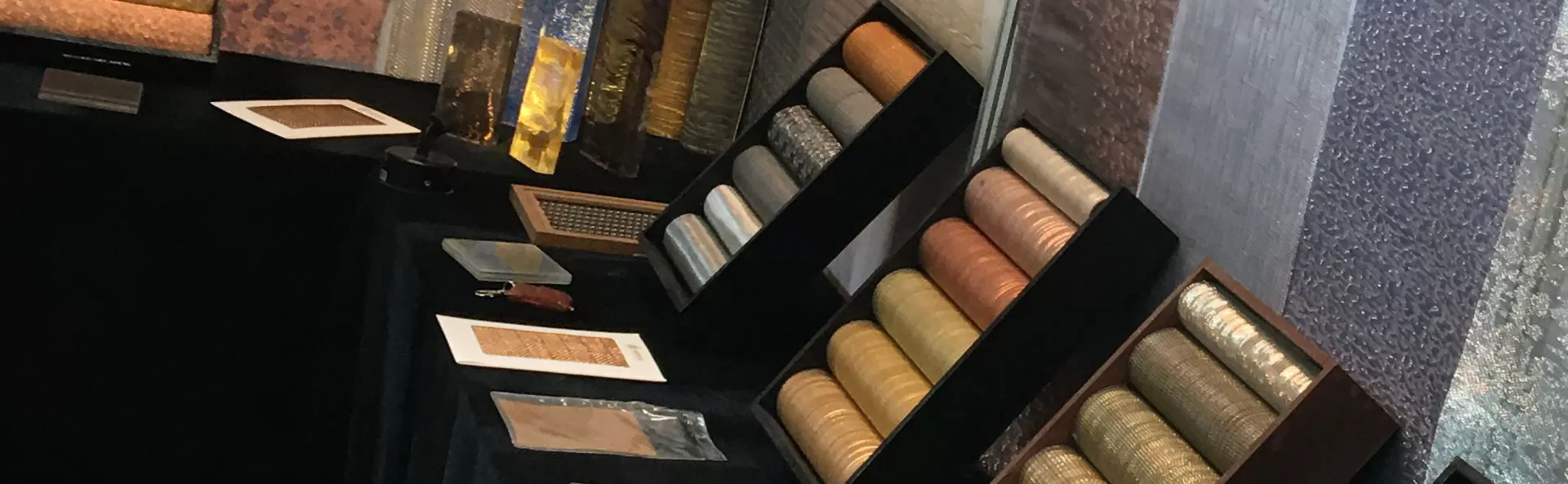
Woven metal interiors refer to flexible or semi-rigid metal fabrics made from:
Stainless steel
Aluminum
Copper alloys
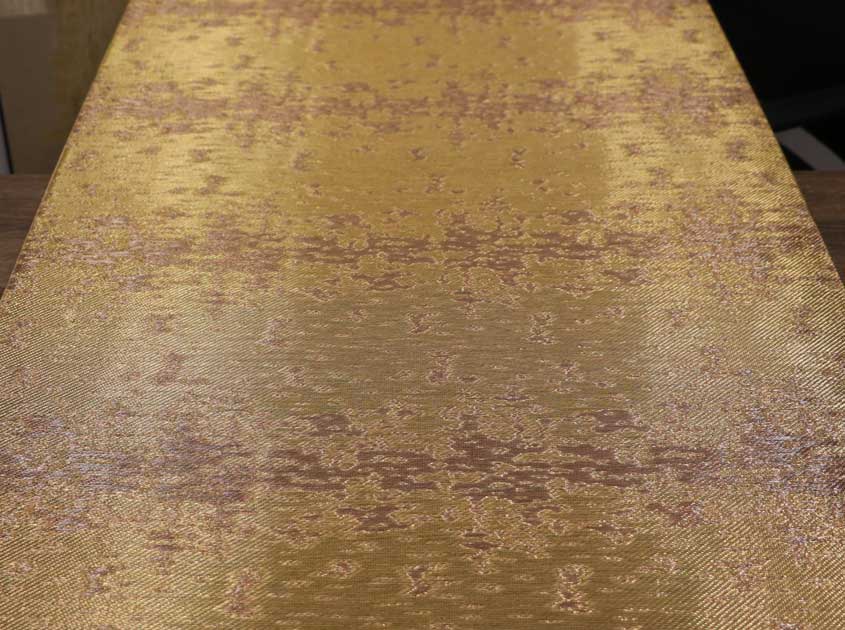
Brass
These metal wires are woven into mesh, fabric, or chain patterns, creating a material that is:
Strong
Transparent
Fire-resistant
Highly decorative
Unlike solid metal sheets, woven metal allows light, air, and movement, making it ideal for interior architecture.
2. Interior Wall and Feature Panels
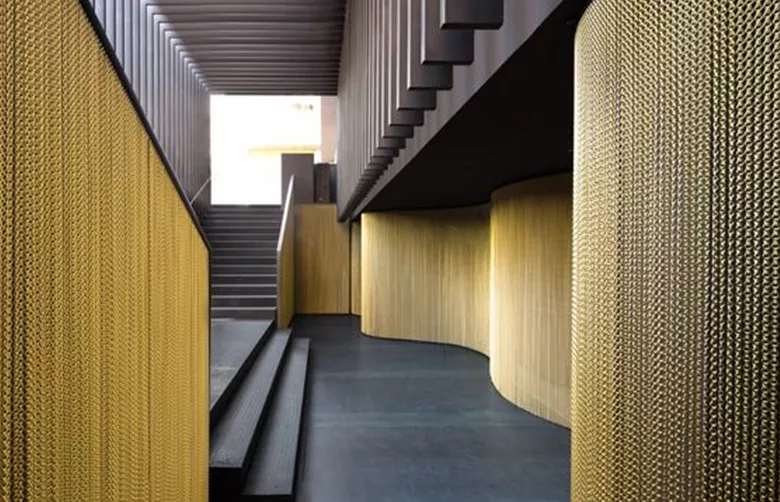
One of the most common uses is interior wall decoration.
Woven metal is used to:
Create feature walls
Cover columns
Decorate reception areas
Add luxury texture
Because metal fabric reflects light, it creates:
Depth
Shadow effects
High-end visual impact
This is widely used in:
Hotels
Corporate lobbies
Shopping centers
High-end residences
3. Ceiling and Hanging Systems
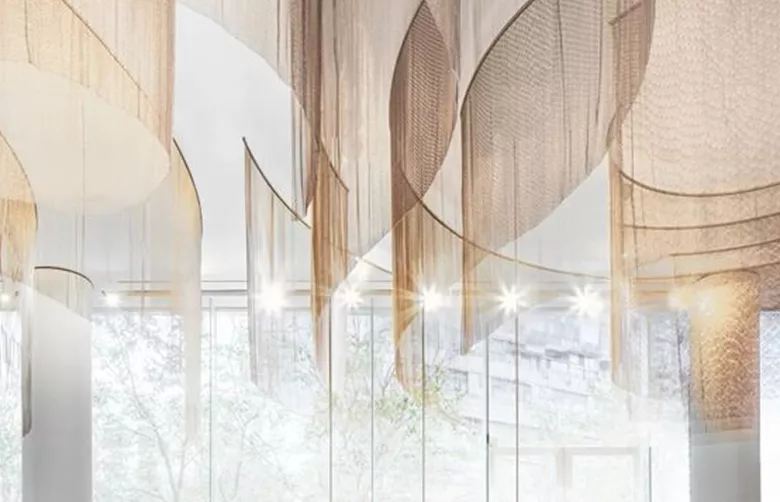
Woven metal is perfect for ceiling decoration.
It is used for:
Suspended ceilings
Decorative clouds
Light diffusers
HVAC covers
Metal ceilings offer:
Fire safety
Long service life
Easy maintenance
They are commonly installed in:
Airports
Malls
Restaurants
Exhibition halls
4. Room Dividers and Partitions
Instead of solid walls, designers use woven metal to create:
Transparent partitions
Visual separation
Artistic dividers
This keeps spaces:
Open
Bright
Modern
Applications include:
Offices
Hotels
Retail stores
Restaurants
5. Railings and Balcony Infill
Woven metal is also used as safety and decorative railing infill.
It provides:
Fall protection
Wind control
Modern appearance
It is used in:
Shopping mall balconies
Hotel atriums
Staircases
Mezzanines
6. Lighting and Decorative Screens
Because metal fabric interacts beautifully with light, it is widely used in:
Lighting fixtures
Lamp shades
Backlit walls
Decorative screens
This creates:
Unique shadows

Soft illumination
Luxury ambiance
7. Acoustic and Ventilation Solutions
Special woven metal fabrics are designed for:
Acoustic panels
Airflow control
Equipment enclosures
They are used in:
Auditoriums
Offices
Mechanical rooms
Data centers
8. Why Architects Prefer Woven Metal Interiors
Compared with wood, glass, or plastic, woven metal offers:
Fire resistance
Moisture resistance
Zero warping
Long life
Premium appearance
This makes it ideal for:
High-traffic areas
Luxury projects
Public buildings
9. Why Global Buyers Source from China
China is now the world’s largest producer of woven metal interiors because of:
Advanced weaving technology
Large stainless steel and aluminum supply
Custom manufacturing capability
Competitive export pricing
Architects and contractors from the Middle East, Europe, and the Americas import woven metal interiors from professional Chinese manufacturers for large-scale projects.
Final Thoughts
Woven metal interiors are used for:
Walls
Ceilings
Partitions
Railings
Screens
Lighting
Acoustic systems
They combine function, safety, and luxury design, making them one of the most versatile materials in modern architecture.
As global construction and interior design move toward durability and elegance, woven metal interiors will continue to replace traditional materials — especially in premium commercial and public buildings.
Recommended News