
-
About UsProductsCustomized SolutionProjectGalleryNews
News
What Architectural Wire Mesh Products Meet European Standards?
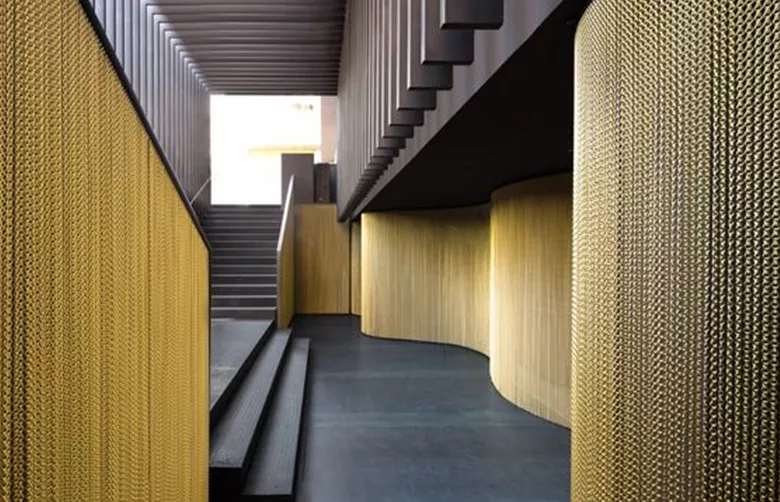
Release time: January 16, 2026Architectural wire mesh is widely used in modern European construction projects, including building façades, interior partitions, ceilings, railings, sunscreens, and safety enclosures. However, Europe is one of the most regulated construction markets in the world. To be accepted by architects, contractors, and project owners, architectural wire mesh must strictly comply with European standards related to safety, durability, sustainability, and aesthetics.
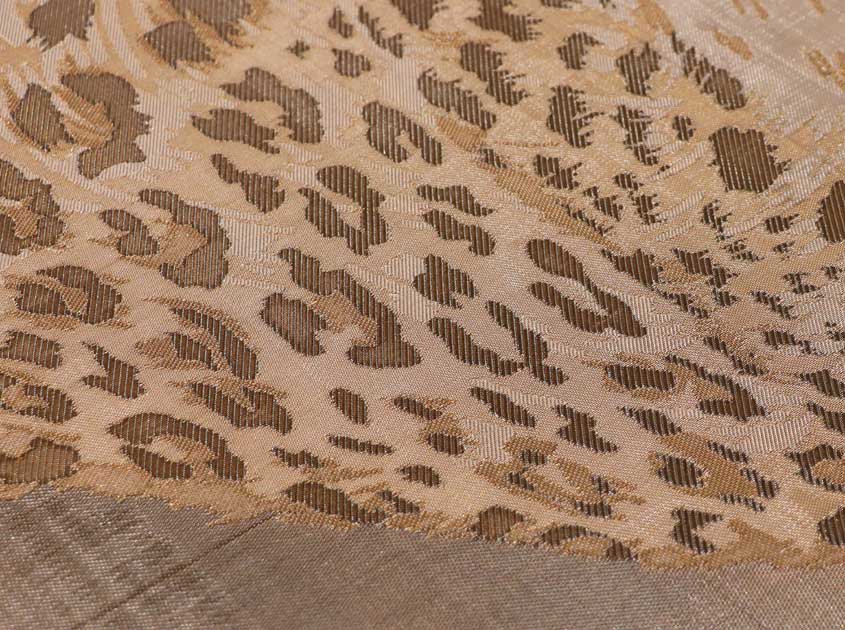
This article explains what architectural wire mesh products meet European standards, what regulations apply, and how buyers can select compliant suppliers.
1. Why European Standards Matter for Architectural Wire Mesh
European construction regulations are designed to ensure:
Structural safety
Fire resistance
Long-term durability
Environmental sustainability
Worker and public safety
For architectural wire mesh, compliance is not optional. Non-compliant products may be rejected during design approval, customs clearance, or on-site inspection.
2. Key European Standards Applicable to Architectural Wire Mesh
EN Standards (European Norms)
Architectural wire mesh products commonly fall under:
EN 10223 (steel wire and wire products)
EN 10088 (stainless steel grades)
EN 10244 (coatings for steel wire)
These standards regulate wire diameter tolerance, tensile strength, surface quality, and coating performance.
3. CE Marking Requirements
In many architectural applications, wire mesh must support CE marking, which confirms compliance with EU construction product regulations (CPR).
CE-related requirements may include:
Mechanical performance testing
Material traceability
Factory production control (FPC)
Declaration of Performance (DoP)
Architectural wire mesh used in façades, balustrades, or safety systems often requires CE conformity.
4. Fire Safety and Reaction to Fire Standards
Fire performance is critical in European architecture.
Relevant standards include:
EN 13501-1 (reaction to fire classification)
Stainless steel and aluminum architectural wire mesh typically achieve A1 or A2 fire ratings, making them suitable for public buildings such as airports, malls, and transport hubs.
5. Common Architectural Wire Mesh Products That Meet European Standards
Stainless Steel Woven Wire Mesh
Grades: AISI 304 / 316 (EN 10088 compliant)
Excellent corrosion resistance
Suitable for façades, interiors, and safety partitions
Decorative Woven Metal Fabric
Flexible architectural applications
Used in ceilings, wall cladding, and shading systems
Manufactured with precise weaving tolerance
Expanded Metal Mesh
EN-compliant steel or aluminum
Strong structural performance
Common in façades and sun-control systems
Perforated Metal Panels
Precision-punched sheets
Controlled open area and thickness
Widely accepted in European architectural design
6. Corrosion Resistance Standards for Europe
European projects often demand high corrosion resistance, especially in:
Coastal regions
Industrial zones
Outdoor façades
Accepted corrosion protection methods include:
Stainless steel (natural corrosion resistance)
Hot-dip galvanizing according to EN standards
Anodized aluminum
High-performance powder coating (Qualicoat standard)
Durability is a core evaluation factor for approval.
7. Dimensional Accuracy and Manufacturing Tolerances
European architects expect:
Precise wire diameter control
Consistent mesh opening size
Flatness and uniform appearance
Architectural wire mesh must meet strict dimensional tolerances to integrate seamlessly with curtain wall systems and architectural frameworks.
8. Environmental and Sustainability Requirements
Sustainability is increasingly important in Europe.
Architectural wire mesh products should support:
REACH compliance (chemical safety)
RoHS compliance (restricted substances)
Recyclable metal materials

Environmentally compliant products improve acceptance in green building projects and public tenders.
9. Quality Documentation Required by European Buyers
Professional European buyers often request:
Material certificates (EN 10204 3.1)
Test reports for mechanical and chemical properties
Surface treatment certifications
Factory audit records
Complete documentation significantly improves trust and approval speed.
10. Why European Projects Choose Experienced Export Manufacturers
Manufacturers supplying Europe must understand:
EU construction regulations
Project-based customization needs
Long-distance packaging standards
Stable quality consistency
Experienced Chinese architectural wire mesh manufacturers with European export history can meet these expectations efficiently.
11. Packaging and Logistics Compliance
Export packaging must:
Prevent deformation and surface damage
Protect coatings during long transit
Meet EU import handling requirements
Proper packaging ensures products arrive ready for installation without rework.
Conclusion
Architectural wire mesh products that meet European standards must comply with EN regulations, CE marking requirements, fire safety classifications, corrosion resistance expectations, and sustainability rules. Stainless steel woven mesh, decorative metal fabric, expanded metal, and perforated panels are among the most commonly accepted solutions.
For European architectural projects, selecting a compliant wire mesh product—and a knowledgeable supplier—is essential for smooth approval, long service life, and architectural success.
Recommended News