
-
About UsProductsCustomized SolutionProjectGalleryNews
News
Why Are Woven Metal Interiors So Popular in the Field of Architecture?
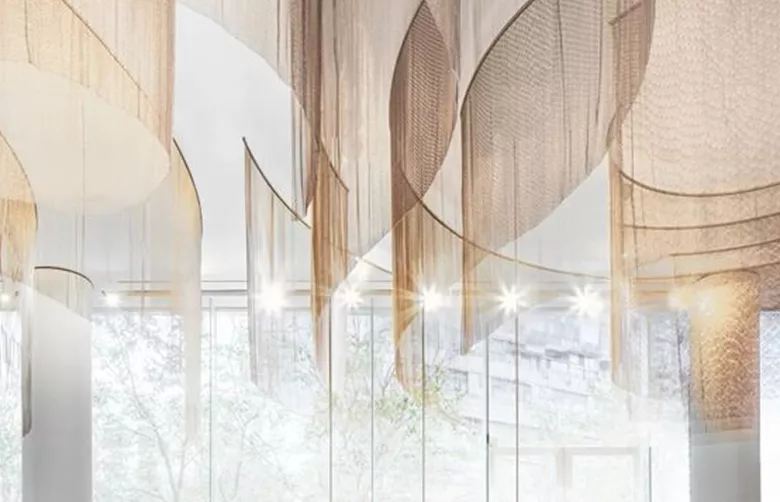
Release time: January 26, 2026In recent years, woven metal interiors have become a defining element in contemporary architecture and interior design. From luxury hotels and commercial complexes to cultural buildings and high-end offices, architects increasingly choose woven metal mesh to create spaces that are both functional and visually striking.

But why are woven metal interiors so popular in the field of architecture? The answer lies in their unique combination of aesthetics, performance, flexibility, and long-term value. This article explores the key reasons behind their growing global adoption.
1. A Unique Balance Between Transparency and Structure
One of the most important reasons architects favor woven metal interiors is their ability to balance openness and separation.
Unlike solid walls or glass panels, woven metal mesh:
Allows light and airflow to pass through
Creates visual continuity between spaces
Maintains a clear architectural boundary
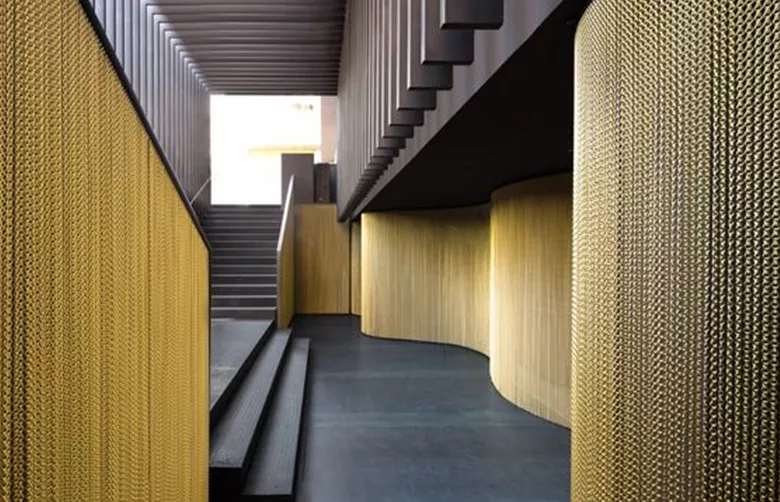
This makes woven metal interiors ideal for partitions, screens, ceilings, stair enclosures, and feature walls, especially in large open-plan spaces.
2. Strong Visual Identity and Modern Aesthetics
Woven metal interiors offer a distinctive aesthetic that cannot be replicated by traditional materials.
Architectural benefits include:
Rich texture and depth
Dynamic light reflection
Industrial, modern, or luxury appearance
Custom patterns that enhance spatial identity
As lighting conditions change throughout the day, woven metal surfaces create constantly evolving visual effects, making them a powerful design element in contemporary architecture.
3. Exceptional Material Durability
Durability is a critical consideration in architectural interiors, especially in public or commercial buildings.
Woven metal interiors provide:
High resistance to wear and deformation
Fire resistance
Long service life compared to wood, fabric, or plastic panels
When manufactured using stainless steel, aluminum, or properly treated steel, woven metal interiors can last decades with minimal maintenance, reducing lifecycle costs for building owners.
4. Design Flexibility and Customization
Architectural woven metal interiors are highly adaptable to different design concepts.
Customization options include:
Wire diameter and weaving pattern
Mesh density and openness
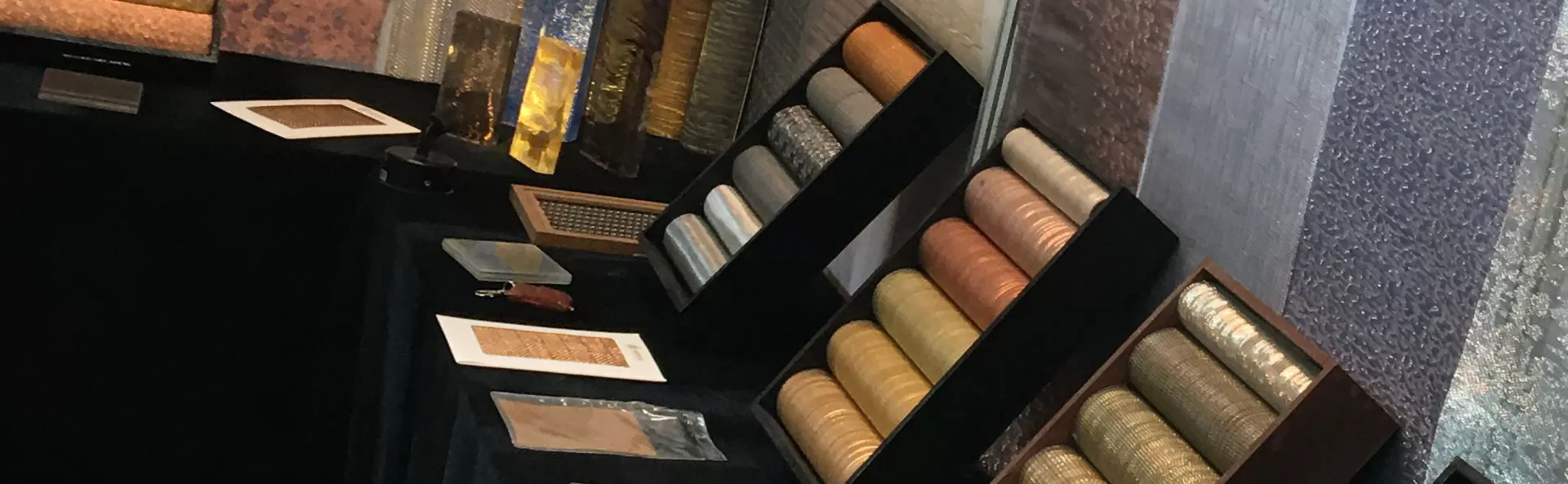
Surface finishes and colors
Panel sizes or flexible mesh formats
This flexibility allows architects to integrate woven metal interiors into modern, industrial, minimalist, or luxury architectural styles, both in interior and semi-interior spaces.
5. Excellent Performance in Light, Ventilation, and Acoustics
Beyond appearance, woven metal interiors also offer functional performance.
Light Control
Woven metal mesh diffuses natural and artificial light, reducing glare while maintaining brightness.
Ventilation
Open mesh structures support natural airflow, improving indoor comfort and reducing reliance on mechanical ventilation.
Acoustic Support
When combined with acoustic materials, woven metal interiors can help manage sound absorption while maintaining visual openness.
These properties make them especially suitable for commercial interiors, transportation hubs, and public buildings.
6. Fire Safety and Building Compliance
Fire resistance is a major advantage of woven metal interiors.
Metal mesh:
Does not burn
Does not emit toxic fumes
Complies with strict fire safety regulations
This makes woven metal interiors a preferred choice in projects where fire codes and safety standards are critical, such as airports, shopping malls, and office buildings.
7. Sustainability and Environmental Benefits
Sustainability is a growing priority in modern architecture, and woven metal interiors align well with green building principles.
Key sustainability advantages:
Fully recyclable materials
Long lifespan reduces replacement waste
Supports natural lighting and ventilation
Compatible with energy-efficient building designs
These factors contribute to LEED and other sustainable building certifications, increasing the appeal of woven metal interiors.
8. Wide Range of Architectural Applications
Woven metal interiors are used in a variety of architectural contexts, including:
Interior partitions and room dividers
Decorative wall panels

Ceiling and lighting systems
Elevator enclosures
Staircase safety screens
Retail and hospitality interior features
Their versatility allows architects to apply a single material across multiple design elements while maintaining visual consistency.
9. Why Architects Source Woven Metal Interiors from China
China has become a major global supplier of woven metal interiors due to:
Advanced weaving and finishing technology
Strong customization capabilities
Consistent quality control
Competitive pricing for large-scale projects
Experienced Chinese manufacturers supply woven metal interior solutions for Europe, the Middle East, North America, and South America, meeting international architectural standards and project requirements.
10. Conclusion
So, why are woven metal interiors so popular in the field of architecture?
The answer is clear: they combine aesthetic sophistication, functional performance, structural durability, and sustainable value in a single architectural material. Woven metal interiors allow architects to create spaces that are open yet defined, modern yet timeless, and visually striking yet highly practical.
As architectural design continues to evolve toward transparency, sustainability, and long-term performance, woven metal interiors will remain a key material choice for forward-thinking projects worldwide.
Recommended News