
-
About UsProductsCustomized SolutionProjectGalleryNews
News
How to Import Woven Metal Interiors from China
Release time: February 27, 2026Woven metal interiors, often used for architectural facades, ceilings, partitions, and decorative installations, have gained tremendous popularity worldwide. For businesses and distributors looking to source these products from China, understanding the import process, compliance requirements, and logistics is crucial. As a professional Chinese wire mesh manufacturer with a specialized international trading platform, we aim to guide buyers through a comprehensive, step-by-step approach to importing woven metal interiors.
1. Understanding Woven Metal Interiors
Before importing, it is important to understand what woven metal interiors are and their typical applications:
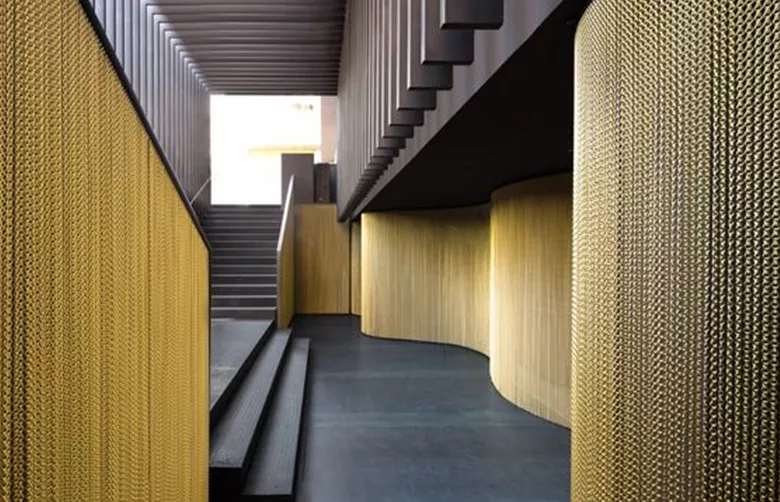
Architectural panels – Used in building facades, walls, and partitions.

Ceiling and curtain walls – Provides aesthetics and ventilation.
Decorative installations – Furniture accents, stair railings, and custom art panels.
These products are made from stainless steel, aluminum, or other corrosion-resistant metals, woven into custom patterns for both durability and visual appeal. Buyers must know the material type, weave pattern, thickness, and finish before proceeding.
2. Identifying Reliable Suppliers in China
Finding a trustworthy supplier is critical for quality, compliance, and timely delivery. Key factors to consider:
Experience in exporting architectural woven metal – Suppliers with international trade experience understand shipping requirements and documentation.
Certification and quality control – Look for ISO, ASTM, or CE certifications to ensure products meet international standards.
Customization capabilities – Suppliers should be able to provide custom panel sizes, patterns, and finishes according to project specifications.
Communication and support – Responsive suppliers offer technical support and detailed product guidance.
Working with a manufacturer that has a professional external trade website ensures easier verification, access to product catalogs, and negotiation.
3. Determining Product Specifications
Clear specification is essential for smooth import:
Material choice – Stainless steel for corrosion resistance, aluminum for lightweight installations.
Panel size and mesh dimensions – Tailored to the architectural project.
Surface finish – Powder-coated, anodized, or brushed finishes for durability and aesthetics.
Weave style – Flat, crimped, or cable-style woven mesh depending on design requirements.
Providing exact specifications to the manufacturer prevents production errors and ensures compliance with local building regulations.
4. Understanding Import Regulations and Standards
Importing woven metal interiors requires compliance with local standards:
Customs documentation – Commercial invoice, packing list, and bill of lading are mandatory.
Import tariffs and taxes – Check applicable duties for metal construction materials in your country.
Quality certifications – CE, ISO, or ASTM certificates may be required for building approvals.
Safety and fire standards – Certain applications (e.g., public buildings) require fire-retardant testing.
Early verification of these regulations prevents shipment delays and additional costs.
5. Placing an Order and Production Process
Once the supplier is selected:
Request a quotation based on your specifications.
Confirm material, size, and finish – Ensure that all details are agreed upon in writing.
Sign a purchase agreement – Define production timelines, payment terms, and shipment responsibilities.
Quality inspection – Request sample panels or a factory inspection to ensure compliance before shipment.
Manufacturers often use high-quality weaving machines and rigorous inspection protocols to ensure every panel meets international standards.
6. Packaging and Shipping Considerations
Proper packaging is crucial for long-distance shipments:
Protective layers – Foam, kraft paper, or plastic wrapping prevents scratches.
Secure crates or pallets – Prevent bending and deformation during transport.
Labeling – Include clear handling instructions for customs and warehouse staff.
Shipping method – Sea freight is common for bulk orders, while air freight is faster for smaller quantities.
Reliable suppliers also offer logistics solutions and assist with freight forwarding and customs clearance.
7. Payment and Risk Management
Common international payment methods include:
T/T (Telegraphic Transfer) – Often 30% upfront and 70% before shipment.
L/C (Letter of Credit) – Ensures both buyer and supplier are protected during transactions.
Trade assurance via international platforms – Provides additional security for new buyers.
Insurance for the shipment is also recommended to cover damage or loss during transit.
8. After-Sales Support and Technical Guidance
A good supplier provides technical support after delivery:
Installation guidance – For large-scale woven panels, proper mounting and spacing are crucial.
Maintenance tips – Cleaning, corrosion prevention, and inspection schedules.
Replacement policy – In case of defects or damage during transport.
Strong after-sales support ensures long-term satisfaction and successful project completion.
9. Conclusion
Importing woven metal interiors from China can be straightforward if buyers understand product specifications, choose reliable suppliers, comply with import regulations, and manage logistics carefully. Partnering with an experienced Chinese manufacturer not only guarantees high-quality materials but also provides customization, technical support, and smooth international shipping.
By following these steps, architects, contractors, and distributors can successfully source durable, aesthetically appealing woven metal interiors for residential, commercial, and industrial projects worldwide.
Recommended News