
-
About UsProductsCustomized SolutionProjectGalleryNews
News
How to Package Woven Metal Fabric for Export
Release time: February 27, 2026Woven metal fabric, widely used in architectural design, industrial applications, and decorative interiors, has become a sought-after material for global markets. Exporting these products safely requires meticulous packaging, handling, and shipping preparation to ensure that panels arrive in perfect condition. As a professional Chinese wire mesh manufacturer with a specialized international trade platform, we provide a comprehensive guide to packaging woven metal fabric for export.
1. Understanding Woven Metal Fabric
Before discussing packaging, it's important to understand the properties of woven metal fabric:
Materials – Typically made from stainless steel, aluminum, or other corrosion-resistant metals.

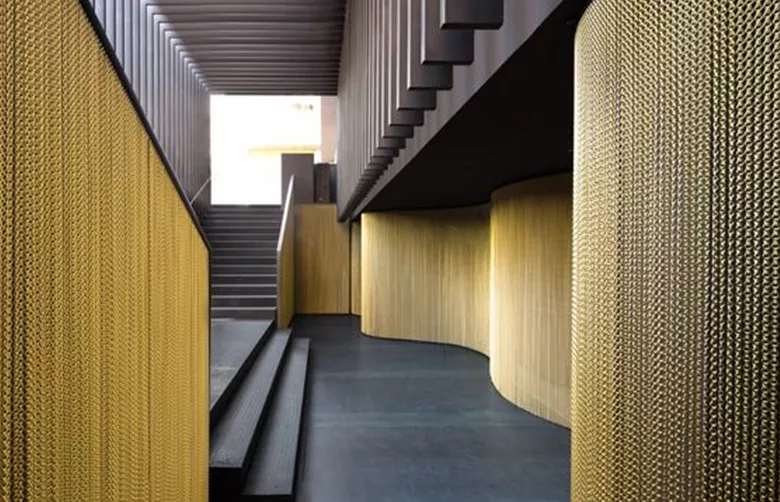
Applications – Facades, ceilings, partitions, furniture accents, and decorative panels.
Characteristics – Lightweight, flexible, and prone to scratches or bending if not handled properly.
Proper packaging is essential for preserving surface finish, preventing deformation, and ensuring safe transit across long distances.
2. Key Considerations for Export Packaging
When packaging woven metal fabric, exporters must consider:
Panel size and weight – Large panels require reinforced packaging to prevent bending.
Material type – Stainless steel may need anti-corrosion protection; aluminum may need padding to prevent scratches.
Destination – Long-distance shipping or international freight may require extra protective layers.
Handling methods – Forklifts, cranes, or manual handling may affect packaging choices.
A tailored packaging solution reduces damage risk and returns, improving customer satisfaction.
3. Protective Layers and Wrapping
To protect the fabric during storage and transport:
Anti-scratch film or kraft paper – Each panel should be individually wrapped.
Plastic or polyethylene sheets – Prevent moisture ingress and corrosion.
Foam padding or bubble wrap – For delicate finishes or intricate woven patterns.
Corner protectors – Prevent bending or denting at edges.
These layers ensure the fabric maintains its aesthetic and functional integrity from factory to installation site.
4. Crating and Palletization
Securing woven metal fabric for export requires sturdy crates and pallets:
Wooden crates – Ideal for large, rigid panels, providing strong protection against compression.
Metal-reinforced crates – Suitable for heavy panels or high-risk shipments.
Palletizing – Smaller panels can be stacked on pallets with anti-slip layers and strapped securely.
Sealing – Ensure crates are tightly closed and sealed with moisture-proof tape.
Proper crating reduces the risk of damage during loading, unloading, and transit.
5. Labeling and Documentation
Accurate labeling ensures efficient customs clearance and safe handling:
Product identification – Include mesh type, dimensions, and quantity.
Handling instructions – Indicate “Fragile,” “Keep Dry,” or “Handle with Care.”
Customs declaration – Attach commercial invoice, packing list, and bill of lading.
Destination information – Include complete shipping address and contact details.
Clear documentation and labeling minimize delays and confusion at ports.
6. Shipping Methods
Choosing the right shipping method depends on volume, cost, and delivery time:
Sea freight – Cost-effective for bulk shipments; requires strong moisture protection.
Air freight – Faster delivery for smaller, urgent orders; lighter packaging preferred.
Land transport – For regional shipments; ensure proper support to prevent panel warping.
Suppliers often collaborate with experienced freight forwarders to ensure smooth international logistics.
7. Quality Inspection Before Shipment
Before dispatch:
Inspect packaging – Ensure all protective layers are applied and crates are secure.
Check panel integrity – Confirm no scratches, dents, or bends.
Verify labeling and documentation – Prevent customs issues and shipment errors.
A thorough pre-shipment inspection reduces the risk of claims and returns.
8. After-Sales Guidance
Good suppliers provide post-shipment support:
Installation advice – Proper handling during unpacking and mounting.
Maintenance recommendations – Cleaning, corrosion prevention, and regular inspections.
Replacement or warranty policy – For any damage incurred during transit.

This ensures buyers receive high-quality products ready for immediate use.
9. Conclusion
Exporting woven metal fabric from China requires strategic packaging, careful handling, and adherence to international shipping standards. By using anti-scratch materials, reinforced crates, precise labeling, and professional logistics partners, manufacturers can ensure their products arrive in perfect condition. For distributors, architects, and designers, working with a reliable Chinese wire mesh supplier guarantees high-quality, durable, and visually appealing woven metal interiors for projects around the world.
Recommended News