
-
About UsProductsCustomized SolutionProjectGalleryNews
News
How to Choose the Right Woven Metal Interior for a Building
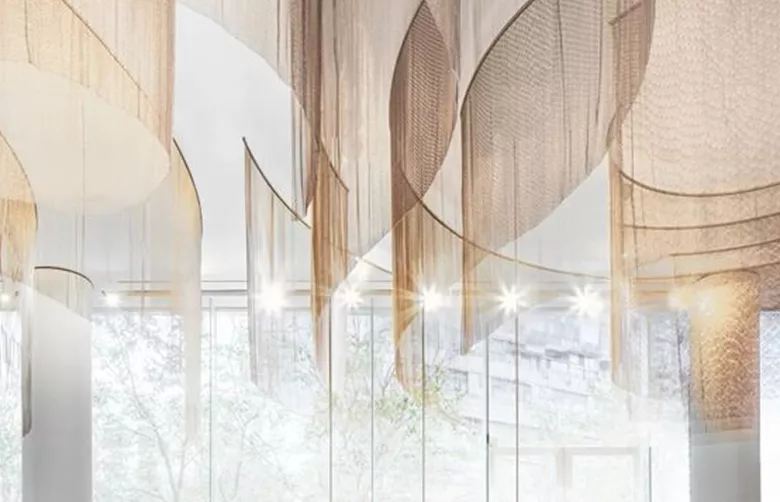
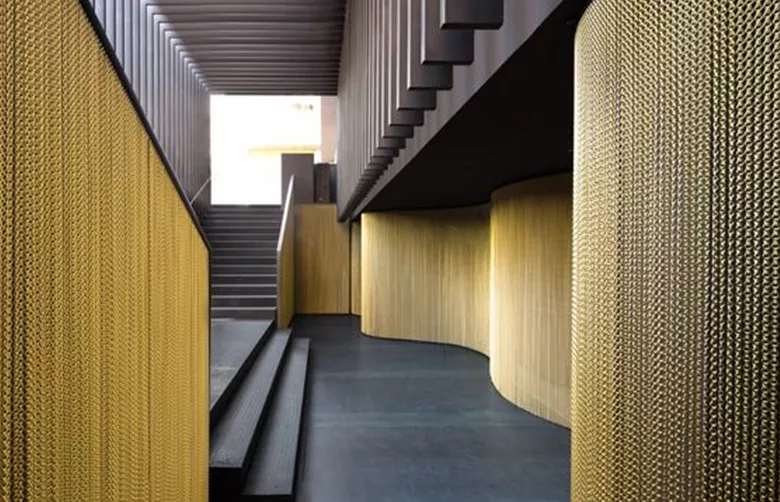
Release time: March 12, 2026In modern architecture, woven metal interiors have become a versatile choice for both aesthetic appeal and functional performance. From wall partitions and ceiling panels to decorative screens and facade accents, woven metal adds modern elegance, durability, and versatility to building interiors. For architects, contractors, and interior designers looking to source woven metal interiors from China, understanding how to select the right product is critical. This guide will explore the key considerations, helping buyers make informed decisions that meet both design objectives and budget requirements.
1. Understand Your Project Requirements
Before selecting woven metal interiors, clearly define the purpose and environment of the installation:
Functionality: Is the mesh for decorative purposes, room partitioning, ventilation, or acoustic performance?
Location: Indoor vs. outdoor, high humidity areas, or exposure to pollutants will influence material choice.
Aesthetic Goals: Consider the visual style—modern, industrial, or luxurious—and how the mesh pattern and finish complement the interior.
Tip: Sketch the intended layout and consult with your supplier to ensure the mesh type matches your design vision.
2. Material Selection
The material of woven metal interior panels is the primary factor affecting durability, corrosion resistance, and cost:
Stainless Steel
Grades: 304, 316, and 316L
Advantages: Excellent corrosion resistance, ideal for indoor and outdoor applications, minimal maintenance
Use Case: High-end commercial spaces, areas with moisture, or modern luxury interiors
Aluminum
Advantages: Lightweight, corrosion-resistant, easy to handle and install
Use Case: Large-scale ceiling installations or decorative panels where weight is a concern
Galvanized Steel
Advantages: Cost-effective, moderate corrosion resistance
Use Case: Indoor partitions and walls with low exposure to moisture or humidity
Tip: Always verify material grade and compliance with international standards to ensure longevity.
3. Weave Pattern and Mesh Size
Woven metal interiors come in various patterns, including plain weave, twill weave, and cable weave. The mesh size determines the amount of visibility, light transmission, and structural integrity:
Small Mesh: Offers a more refined and solid appearance, suitable for decorative walls and partitions
Large Mesh: Provides transparency and airflow, ideal for ceilings, stair railings, or open areas
Tip: Choose a weave pattern that balances visual impact, functionality, and structural requirements.
4. Surface Finishing and Coating
Surface finish is crucial for both aesthetics and protection:
Polished Finish: Shiny and reflective, enhancing modern or luxury interior styles
Brushed Finish: Subtle and matte, suitable for professional or industrial looks
Powder Coating or Painted Finish: Adds color customization while protecting against scratches and corrosion
Tip: Ensure the coating thickness is uniform and resistant to wear, especially for high-traffic areas.
5. Panel Size and Customization
Choosing the right panel size is essential for installation efficiency and overall appearance:
Standard Panels: Cost-effective and easier to source, suitable for most projects
Custom Panels: Designed for large-scale or unique architectural layouts, offering flexibility in dimensions, shape, and weave pattern
Tip: Work with your supplier to confirm available panel sizes and whether custom fabrication is feasible for your project.
6. Structural and Safety Considerations
Woven metal interiors often serve both decorative and functional purposes, so safety and structural integrity are key:
Ensure panels can support the intended load or resist deformation
Confirm edges are smooth or finished to prevent injury
For partitions or railing applications, check for compliance with local building codes and safety regulations
7. Supplier and Quality Assurance
When sourcing woven metal interiors from China, a reliable supplier ensures consistent quality, timely delivery, and after-sales support:
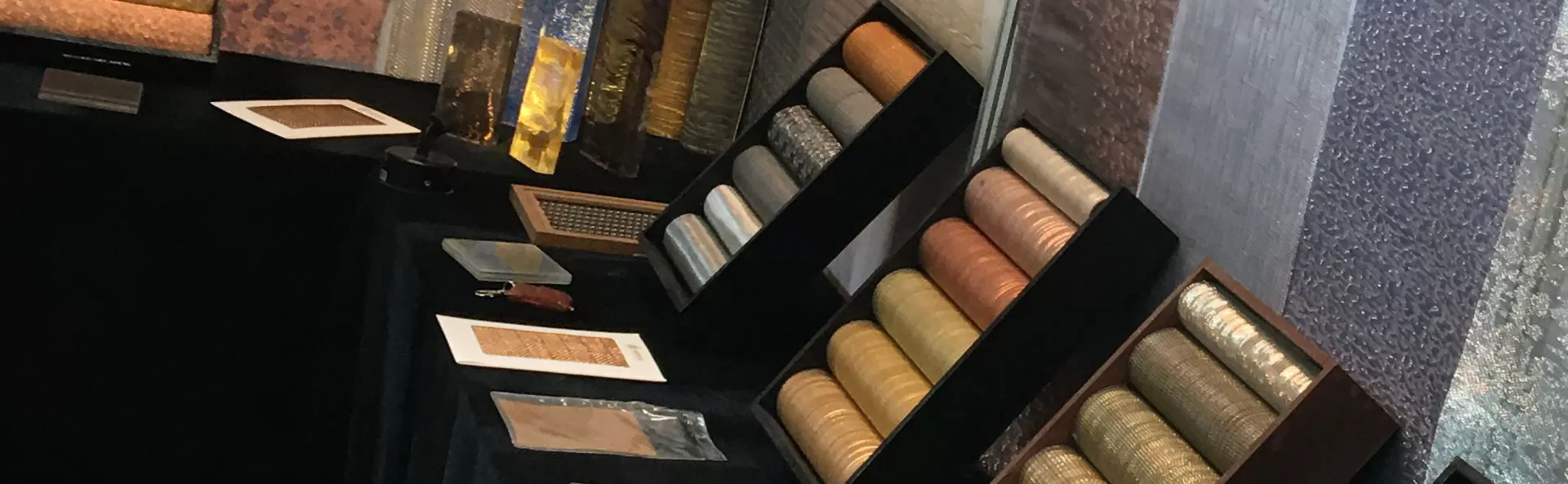
Request samples to verify material, weave pattern, and finish
Check for manufacturing certifications such as ISO or CE, ensuring adherence to international standards
Confirm shipping, packaging, and installation support to avoid damage during transit
Tip: Long-term partnerships with trustworthy suppliers reduce project risk and ensure consistent product quality.
8. Maintenance and Longevity
Proper maintenance extends the life of woven metal interiors:
Regularly clean dust and dirt with a soft cloth or mild detergent
Avoid abrasive cleaners that can damage the surface
Inspect for corrosion or wear in high-moisture areas, especially for outdoor applications
Tip: Stainless steel and powder-coated finishes require minimal maintenance while retaining visual appeal over time.
9. Summary
Selecting the right woven metal interior involves balancing material, mesh size, weave pattern, finish, and project requirements. Key takeaways for buyers:
Stainless steel and aluminum offer durability and corrosion resistance
Mesh size and weave pattern affect aesthetics, light transmission, and structural strength
Coatings enhance longevity and allow for design customization
Reliable suppliers ensure consistent quality, timely delivery, and technical support
By carefully considering these factors, architects and designers can choose woven metal interiors that enhance building aesthetics, ensure durability, and provide functional benefits, while maintaining a reasonable budget.
Recommended News