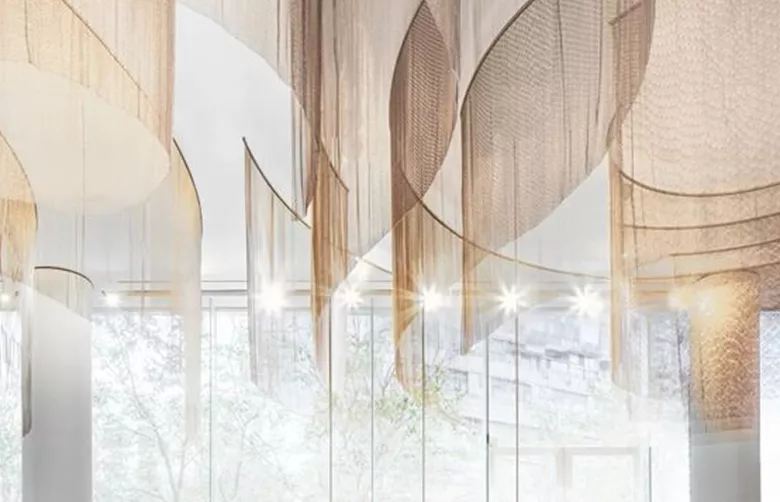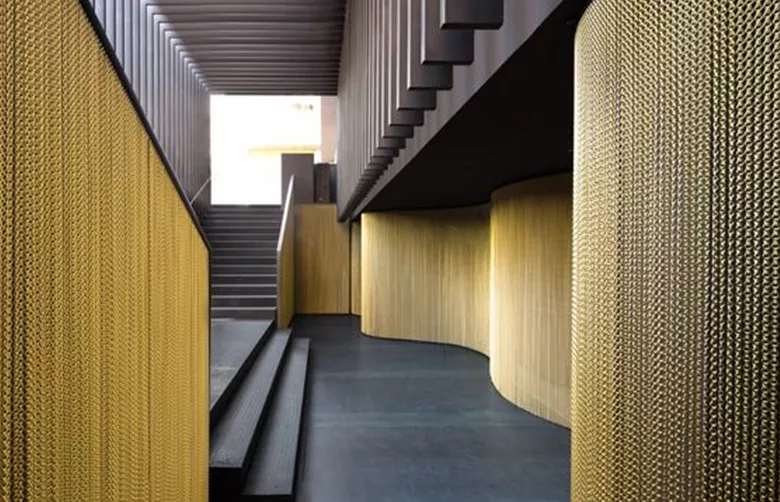

-
About UsProductsCustomized SolutionProjectGalleryNews
News
What Is Woven Metal Decorative Fabric?
Release time: August 13, 2026Woven metal decorative fabric is a flexible architectural material made by weaving metal wires, rods, or specially formed metal elements into decorative patterns.
Unlike conventional wire mesh, which is mainly designed for industrial filtration, screening, or fencing, woven metal decorative fabric is developed with both visual appearance and functional performance in mind.
Its metallic texture, transparency, flexibility, light reflection, and three-dimensional appearance make it increasingly popular in modern interior and architectural design.
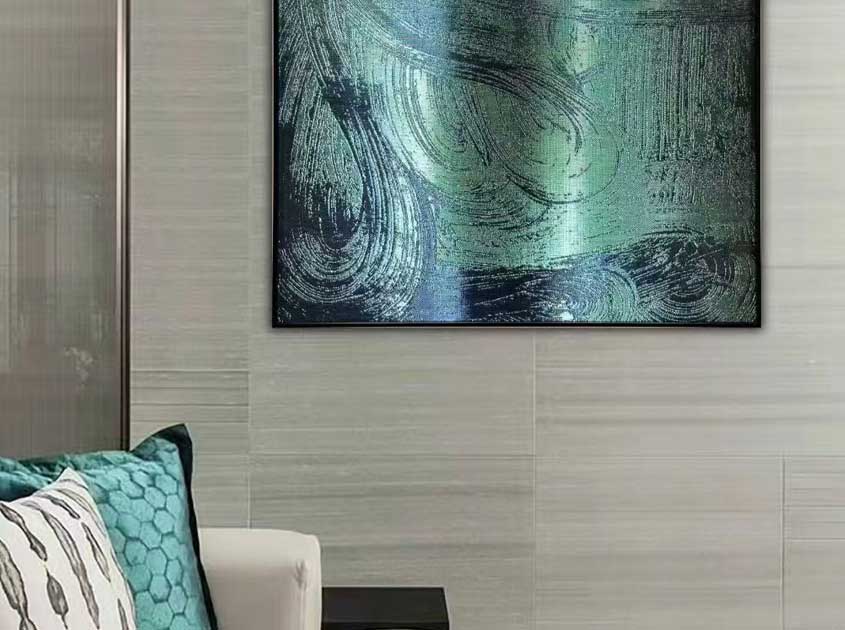
It can be used as a decorative wall, room divider, ceiling element, curtain, facade feature, elevator decoration, retail display, or other architectural element.
Depending on the material, weave pattern, wire diameter, opening size, and surface finish, woven metal fabric can create anything from a light and transparent appearance to a dense and luxurious metallic surface.
What Is Woven Metal Decorative Fabric Made Of?
Woven metal decorative fabric is produced by interweaving metal wires or other metal components according to a specific pattern.
Common materials include:
Stainless steel
Aluminum
Brass
Copper
Bronze
Carbon steel
The metal elements can be woven into different structures to achieve different combinations of:
Transparency
Flexibility
Strength
Texture
Light reflection
Privacy
Stainless steel is one of the most popular materials because it combines durability with a clean contemporary appearance.
How Is Woven Metal Decorative Fabric Manufactured?
Although the manufacturing process varies depending on the product design, a typical production process includes several stages.
1. Metal Wire Preparation
The selected metal wire is prepared according to the required:
Diameter
Material
Surface condition
Mechanical properties
Wire diameter can have a significant effect on the final appearance and flexibility of the fabric.
2. Weaving
The wires are interwoven using specialized weaving equipment.
Different weaving patterns can produce different:
Mesh openings
Textures
Transparency
Flexibility
Surface effects
Some products use relatively fine wires, while others use thicker wires or combinations of wires and rods.
3. Forming and Finishing
After weaving, the material may be processed to achieve the required:
Width
Length
Edge configuration
Flatness
Surface appearance
Additional surface treatments may also be applied.
4. Surface Treatment
Depending on the material and application, woven metal decorative fabric can be finished using:
Polishing
Brushing
PVD coating
Powder coating
Anodizing for aluminum
Other decorative treatments
The finish can significantly change the appearance of the finished product.
What Makes Woven Metal Fabric Different From Ordinary Wire Mesh?
The main difference is the design purpose.
Traditional wire mesh is often selected according to technical performance.
For example:
Filtration
Separation
Reinforcement
Protection
Woven metal decorative fabric places greater emphasis on:
Aesthetic appearance
Texture
Transparency
Light effects
Flexibility
Architectural integration
This means the product is not simply a mesh used inside a building—it can become part of the building's visual design.
Woven Metal Decorative Fabric vs Traditional Wire Mesh
Feature Woven Metal Decorative Fabric Traditional Wire Mesh Main purpose Architecture and decoration Industrial/functional use Appearance High design emphasis Primarily functional Flexibility Often high Depends on type Transparency Adjustable Usually specification-driven Surface finishes Many decorative options More limited Applications Interiors and architecture Industry, filtration, fencing Visual effect Metallic texture and reflection Functional mesh appearance The distinction is not absolute. Some architectural mesh products can also provide significant structural or protective functions.
Main Types of Woven Metal Decorative Fabric
Woven metal decorative fabric can be produced in different structures.
Fine Woven Metal Fabric
Fine wire creates a relatively delicate and lightweight appearance.
It can be used for:
Decorative partitions
Window screens
Interior walls
Retail displays
The small openings can create greater visual density.
Heavy Woven Metal Fabric
Thicker wires create a stronger and more substantial appearance.
Applications can include:
Feature walls
Architectural partitions
Facade elements
Large decorative installations
Decorative Patterned Mesh
Special weaving techniques can produce distinctive geometric or textured patterns.
These patterns can become a visual feature of:
Hotel interiors
Shopping centers
Restaurants
Office buildings
Flexible Metal Curtain Fabric
Some woven metal fabrics are designed to be suspended like curtains.
They can be installed using:
Tracks
Rods
Frames
Ceiling suspension systems
This makes them particularly suitable for flexible space division.
What Materials Are Used for Woven Metal Decorative Fabric?
Stainless Steel
Stainless steel is one of the most widely used materials.
Advantages include:
High strength
Corrosion resistance
Long service life
Modern appearance
Easy maintenance
304 stainless steel is suitable for many general applications, while 316 stainless steel can be considered for more corrosive environments.
Aluminum
Aluminum is useful when lightweight construction is important.
Advantages include:
Low weight
Good corrosion resistance
Easy processing
Wide range of finishes
It is commonly used for:
Interior partitions
Decorative ceilings
Facade elements
Brass
Brass provides a warm golden appearance.
It is particularly popular for premium interior design.
Typical applications include:
Hotels
Restaurants
Luxury retail
Decorative walls
Feature installations
Copper
Copper provides a distinctive reddish metallic appearance.
Over time, copper can develop a natural patina, which can become part of the architectural design.
Bronze
Bronze-colored metal fabrics can provide a warm and sophisticated architectural appearance.
They are often used for:
Luxury interiors
Decorative partitions
Feature walls
Hospitality projects
Why Do Architects Use Woven Metal Decorative Fabric?
There are several reasons for its growing popularity.
1. It Creates a Distinctive Metallic Texture
Unlike glass, wood, or fabric, woven metal creates a unique combination of:
Reflection
Texture
Transparency
Shadow
The appearance can change depending on lighting and viewing angle.
2. It Provides Transparency Without Being Completely Open
Metal fabric can create a visual barrier without forming a solid wall.
This makes it useful when designers want:
separation without isolation.
For example, a restaurant can divide dining areas while maintaining visual continuity between them.
3. It Allows Air and Light to Pass Through
The open structure allows:
Airflow
Natural light
Artificial light
This can make metal fabric suitable for large interior spaces.
4. It Is Flexible
Unlike rigid metal panels, woven metal fabric can be:
Suspended
Curved
Draped
Folded
Framed
Tensioned
This flexibility gives architects more freedom in creating unusual shapes and spatial effects.
Where Is Woven Metal Decorative Fabric Used?
1. Interior Partitions
One of the most common applications is space division.
It can separate:
Offices
Restaurants
Hotels
Reception areas
Exhibition spaces
The open mesh structure maintains visual connections between different areas.
2. Decorative Walls
Metal fabric can cover part or all of a wall to create a feature surface.
It can be combined with:
Wood
Stone
Glass
Lighting
Metal panels
This creates layered architectural compositions.
3. Ceilings
Suspended metal fabric can be used as a decorative ceiling layer.
It can help create visual continuity while partially concealing:
Lighting equipment
HVAC systems
Building services
4. Building Facades
Heavy-duty woven metal fabric can be used as an exterior architectural element.
Potential functions include:
Decorative screening
Solar screening
Visual identity
Partial privacy
For exterior applications, material selection and fixing systems are especially important.
5. Elevator Interiors
Metal fabric can add texture and depth to elevator interiors.
It can be combined with:
Stainless steel
Glass
LED lighting
Wood
Stone
6. Retail Displays
Retail designers can use woven metal fabric for:
Display backgrounds
Product shelves
Decorative screens
Store partitions
The metallic texture can contribute to a distinctive brand environment.
7. Hotel and Restaurant Interiors
Hospitality projects often use metal fabric to create a premium atmosphere.
Applications include:
Lobby partitions
Restaurant dividers
Decorative ceilings
Bar backgrounds
Feature walls
Brass, bronze, copper, and colored stainless steel finishes are particularly suitable for these applications.
How Does Lighting Affect Woven Metal Fabric?
Lighting is an important part of architectural metal fabric design.
The mesh can interact with light in different ways.
Front Lighting
Makes the metallic surface more visible.
Backlighting
Creates silhouettes and emphasizes transparency.
Directional Lighting
Highlights the texture and weave pattern.
Moving Light
Can create changing reflections as people move through the space.
This is one reason metal fabric is often used in architectural interiors where lighting is part of the design concept.
How to Choose Woven Metal Decorative Fabric?
Before selecting a product, consider:
Material
Choose based on:
Environment
Strength
Weight
Appearance
Budget
Weave Pattern
The pattern affects:
Transparency
Privacy
Texture
Flexibility
Wire Diameter
Thicker wires generally create a heavier visual effect and can increase structural performance.
Opening Size
Smaller openings create a denser appearance, while larger openings provide greater transparency.
Surface Finish
Possible options include:
Natural metal
Brushed
Polished
PVD
Powder coated
Installation Method
Determine whether the fabric will be:
Suspended
Framed
Tensioned
Fixed to a structure
Is Woven Metal Decorative Fabric Suitable for Outdoor Use?
Yes, but material and finish must be carefully selected.
For exterior applications, commonly considered materials include:
Stainless steel
Properly finished aluminum
Other corrosion-resistant metals
Important factors include:
Humidity
Salt exposure
Rain
Pollution
UV exposure
Wind loads
The fixing system must also be designed to withstand the environmental conditions of the building.
Benefits of Woven Metal Decorative Fabric
The main advantages include:
Visual Appeal
Creates a distinctive metallic architectural surface.
Flexibility
Can be curved, draped, suspended, or framed.
Transparency
Provides visual separation without completely blocking views.
Airflow
Maintains ventilation through the open structure.
Light Interaction
Creates interesting reflection and shadow effects.
Durability
Metal construction can provide long service life when the correct material is selected.
Customization
Patterns, dimensions, materials, and finishes can be customized for different architectural projects.
Frequently Asked Questions
Is woven metal decorative fabric the same as architectural wire mesh?
They are closely related, but the term woven metal decorative fabric generally emphasizes flexible, decorative, and architectural applications, while architectural wire mesh is a broader category that can include rigid, structural, and decorative mesh products.
What is the best material for woven metal fabric?
Stainless steel is one of the most versatile choices because it offers strength, corrosion resistance, and durability. Brass, copper, and bronze are often selected when decorative appearance is the main priority.
Can metal fabric be used as a room divider?
Yes. Flexible woven metal fabric is particularly suitable for room dividers because it provides separation while maintaining airflow and partial visibility.
Can woven metal fabric be curved?
Yes. Many flexible metal fabric products can be curved, draped, folded, or installed on curved structures depending on their construction.
Can woven metal decorative fabric be customized?
Yes. Depending on the product, manufacturers can customize material, wire diameter, pattern, opening size, dimensions, color, surface finish, and installation configuration.
Why Choose joinwin design for Woven Metal Decorative Fabric?
joinwin design woven metal decorative fabric and architectural metal mesh for international architectural and interior design projects.
We can provide customized solutions according to requirements for:
Material
Wire diameter
Mesh pattern
Opening size
Width and length
Surface finish
Color
Installation system
Available materials can include stainless steel, aluminum, brass, copper, and other metal options depending on the product design.
Our goal is to help architects, designers, contractors, and architectural material suppliers select metal fabric that provides the right balance of appearance, flexibility, transparency, durability, and project requirements.
Conclusion
Woven metal decorative fabric is more than a conventional wire mesh. It is a flexible architectural material that combines metallic texture, transparency, durability, light interaction, and decorative design.
Its ability to function as a curtain, partition, wall covering, ceiling element, facade screen, or decorative feature gives architects considerable freedom when designing modern spaces.
By selecting the appropriate material, weave pattern, wire diameter, opening size, surface finish, and installation method, woven metal fabric can be adapted to a wide range of interior and exterior applications.
For modern architecture, it provides an especially interesting combination:
Metal + Light + Transparency + Texture + Movement
joinwin design provides customizable woven metal decorative fabric and architectural mesh solutions for architects, designers, contractors, and building material suppliers worldwide.
Recommended News