
-
About UsProductsCustomized SolutionProjectGalleryNews
News
How to Choose Woven Metal Fabric for Architecture: A Practical Design & Specification Guide
Release time: September 28, 2026Woven metal fabric has become an increasingly useful material for modern architectural projects. Unlike solid metal panels, it can create a visual boundary while maintaining a certain level of transparency, airflow, and light transmission.
However, choosing the right woven metal fabric is not simply a matter of selecting a pattern that looks attractive. The mesh needs to match the building's function, design concept, installation method, environmental conditions, and project budget.
For architects, interior designers, contractors, and project buyers, the most practical approach is to define the application first and then work through the material and specification options.
This guide explains how to select woven metal fabric for architectural applications and what details should be confirmed before ordering.
What Is Woven Metal Fabric for Architecture?
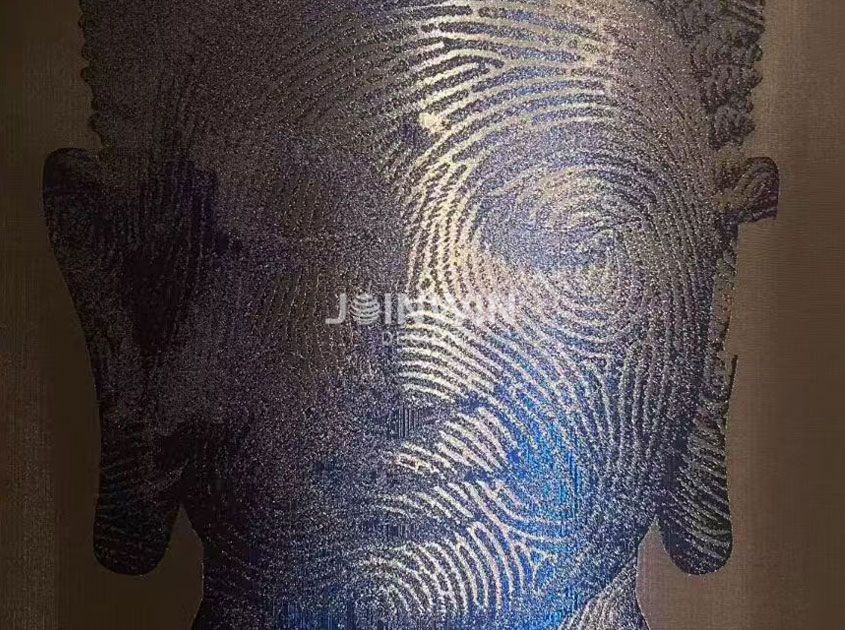
Architectural woven metal fabric is a flexible metal mesh manufactured by weaving metal wires into different patterns.
Common materials include:
Stainless steel
Aluminum
Brass
Copper
Mild steel
Other metal alloys according to project requirements
Compared with rigid metal sheets, woven metal fabric can provide a softer visual appearance while still creating a structured architectural surface.
Depending on the weave design and wire specifications, the fabric can be used for:
Building facades
Curtain walls and secondary facades
Sun-screening systems
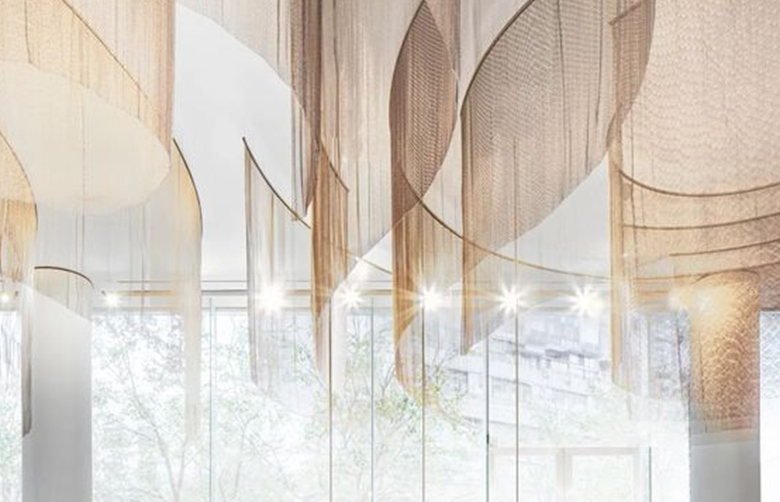
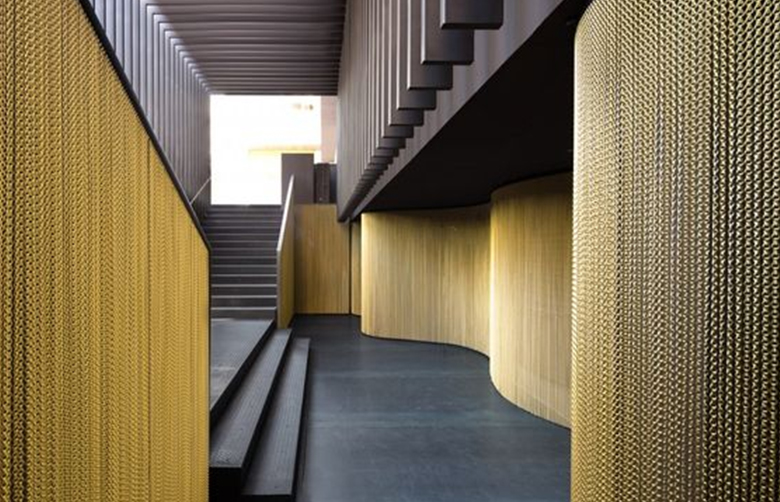
Interior partitions
Ceiling decoration
Staircase and balustrade areas
Elevator interiors
Retail and hospitality interiors
Space dividers
Decorative wall surfaces
Privacy screening
The most important point is that different architectural applications require different mesh characteristics.
Step 1: Define the Application Before Choosing the Mesh
The first question should not be "Which mesh pattern do you like?"
Instead, determine where the woven metal fabric will be installed.
Application
Main Considerations
Building facade Weather exposure, visual effect, fixing system
Sun screen Transparency, solar shading concept, orientation
Interior partition Appearance, privacy, flexibility
Ceiling Weight, suspension system, visual pattern
Balustrade Opening, fixing, safety-related project requirements
Elevator interior Finish, appearance, cleaning
Retail display Decorative effect, visibility
Hotel interior Design, lighting interaction, durability
Space divider Flexibility, transparency, movement
A facade exposed to outdoor conditions should not be specified in exactly the same way as a decorative interior curtain.
Defining the application first helps narrow down the material, weave, wire diameter, and finishing options.
Step 2: Decide How Much Transparency You Need
One of the main characteristics of woven metal fabric is that it can create separation without completely blocking the space behind it.
This makes transparency an important design parameter.
Consider three basic requirements:
High Transparency
Suitable when the project needs:
Strong visual connection
Maximum visibility through the mesh
A lightweight appearance
More natural light transmission
Typical applications include decorative partitions, display areas, and some facade concepts.
Medium Transparency
A medium opening can create a balance between visibility and visual separation.
It may be suitable for:
Interior partitions
Hotel spaces
Commercial interiors
Decorative facades
Privacy screens
Lower Transparency
A denser mesh can create stronger visual screening.
Potential applications include:
Privacy areas
Background walls
Sun-screening concepts
Decorative building envelopes
The actual transparency depends on the weave pattern, wire diameter, mesh opening, viewing angle, lighting conditions, and installation distance.
Therefore, it is better to request physical samples instead of selecting a mesh based only on a product photograph.
Step 3: Select the Right Metal Material
Material selection affects appearance, weight, corrosion resistance, fabrication, and project cost.
Stainless Steel
Stainless steel is widely considered for architectural projects where a durable metallic appearance and resistance to environmental exposure are important.
Common grades include:
304 stainless steel
316 stainless steel
For projects exposed to marine environments or chloride-related conditions, the appropriate stainless steel grade should be discussed with the project engineer or material supplier.
Stainless steel can also be supplied with different surface finishes to create different visual effects.
Aluminum
Aluminum is useful when lower material weight is an important consideration.
It can be suitable for:
Interior decoration
Lightweight partitions
Decorative ceilings
Facade concepts
Large-area installations where weight needs to be considered
The exact alloy and finish should be specified according to the project.
Brass and Copper
Brass and copper are often selected primarily for their distinctive architectural appearance.
They can be used to create:
Warm metallic interiors
Decorative partitions
Feature walls
Retail interiors
Hospitality projects
Their appearance can change over time depending on the material, surface treatment, and environment.
Mild Steel
Mild steel can provide another option for architectural mesh when the project requires a particular finish or cost structure.
However, outdoor use requires appropriate corrosion protection and finishing.
Step 4: Choose the Weave Pattern
The weave pattern affects both appearance and technical characteristics.
Different woven metal fabrics can have very different visual effects even when made from the same material.
Common considerations include:
Wire diameter
Mesh opening
Weave structure
Open area
Surface texture
Flexibility
Mesh weight
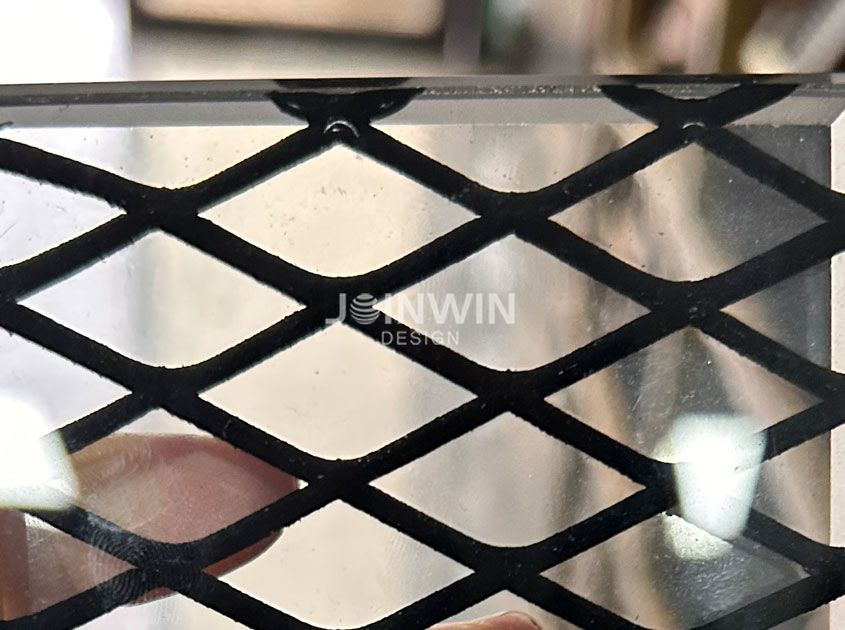
Fine Mesh Patterns
Fine patterns can produce a more delicate appearance.
They are often considered for:
Interior decoration
Partitions
Decorative screens
Retail displays
Coarser Mesh Patterns
Larger openings can create a stronger industrial or architectural appearance.
They may be appropriate for:
Large facade surfaces
Feature walls
Heavy visual structures
Decorative screening
Flexible Woven Patterns
Some architectural fabrics are designed to provide more flexibility and movement.
These can work particularly well for:
Curtains
Space dividers
Hanging screens
Curved installations
The correct pattern should therefore be selected according to the desired architectural effect rather than simply the mesh name.
Step 5: Consider Wire Diameter and Mesh Opening Together
Two specifications are particularly important:
Wire diameter and mesh opening.
They should not be considered independently.
A larger wire diameter can produce a stronger visual presence and increase mesh weight.
A larger opening generally increases visual openness, but the actual result depends on the weave structure.
For example:
Specification
Possible Design Effect
Small wire + small opening Fine, detailed appearance
Small wire + larger opening Lightweight visual effect
Larger wire + small opening Dense, stronger appearance
Larger wire + larger opening Bold architectural texture
For project quotations, buyers should provide the actual required dimensions rather than simply asking for "architectural mesh."
Step 6: Think About the Viewing Distance
The same mesh can look completely different from different distances.
A pattern that looks very detailed in a product photograph may appear almost uniform when installed several meters away.
Consider the viewing distance from:
Pedestrian level
Building entrance
Interior seating areas
Roadside
Adjacent buildings
Upper floors
For large facade projects, suppliers should ideally provide:
Close-up photographs
Installation photographs
Mesh samples
Technical drawings
Recommended installation details
A physical sample is particularly useful when the architectural appearance is important.
Step 7: Choose the Surface Finish
The surface finish can significantly change the final appearance of woven metal fabric.
Possible finishes include:
Natural metallic finish
Polished finish
Brushed finish
Matte finish
Powder coating
Anodized aluminum finish
Other project-specific treatments
For example, brushed stainless steel can provide a restrained architectural appearance, while a colored finish can be used to coordinate with a building's overall design palette.
When color consistency matters, confirm the finishing standard and sample approval process before production.
Step 8: Consider Lighting
Lighting is often overlooked when selecting architectural mesh.
Woven metal fabric can interact with both natural and artificial light.
During the day, sunlight may highlight:
Wire surfaces
Mesh openings
Metallic reflections
Changes in viewing angle
At night, architectural lighting can create another visual layer.
For interior projects, consider whether the mesh will be illuminated from:
Behind
Above
Below
The side
A mesh that looks attractive under showroom lighting may produce a different effect under the project's actual lighting conditions.
For important projects, sample testing under realistic lighting can be valuable.
Step 9: Check the Installation Method
The mesh itself is only one part of an architectural woven metal fabric system.
Installation may require:
Top and bottom tracks
Tensioning systems
Supporting frames
Rods
Hooks
Clamps
Stainless steel cables
Special fixing profiles
Custom brackets
The fixing method depends on whether the mesh is installed vertically, horizontally, as a curtain, on a facade, or as a suspended ceiling.
For large projects, the supplier should receive basic information about:
Installation direction
Overall dimensions
Panel or curtain size
Support structure
Connection points
Required movement
Number of sections
This allows the supplier to recommend a suitable fabrication and installation configuration.
Step 10: Consider Panel Size and Mesh Weight
Architectural woven metal fabric is often supplied in large panels or curtain sections.
The larger the panel, the more important the following factors become:
Mesh weight
Support spacing
Transportation
Handling
Installation equipment
Connection method
For example, a decorative interior panel and a large facade curtain may require completely different support arrangements.
Before ordering, confirm:
Width
Height
Number of pieces
Finished dimensions
Mesh weight per square meter
Edge treatment
Required fixing accessories
This information is particularly important for project quotations.
Step 11: Select the Material According to the Environment
Environmental conditions should be considered before finalizing the material.
Interior Projects
The focus may be:
Appearance
Surface finish
Color
Mesh pattern
Cleaning requirements
Outdoor Projects
Additional considerations include:
Rain
Humidity
UV exposure
Temperature changes
Air pollution
Coastal conditions
Coastal or High-Chloride Environments
Material selection becomes more important because chloride exposure can affect certain metals and finishes.
For these projects, buyers should provide the supplier with information about:
Geographic location
Distance from the coast
Outdoor or sheltered installation
Expected exposure conditions
The final material specification should be confirmed based on the project's engineering requirements rather than using a generic material recommendation.
Step 12: Decide Whether You Need Custom Manufacturing
Architectural projects frequently require customized dimensions or finishes.
Customization may include:
Mesh width
Mesh height
Wire diameter
Opening size
Weave pattern
Material
Surface finish
Color
Edge treatment
Curtain dimensions
Fixing accessories
A standard product may be sufficient for a small decorative application.
However, large architectural projects often benefit from discussing the complete system with the manufacturer before placing the order.
What Information Should You Send to a Woven Metal Fabric Supplier?
A detailed inquiry can make quotation and technical communication much faster.
Instead of sending:
"Please quote architectural metal mesh."
Provide information such as:
Item
Example
Application Building facade
Material Stainless steel
Grade 304 / 316
Mesh pattern Selected pattern or reference photo
Wire diameter Project requirement
Mesh opening Project requirement
Finish Brushed / polished / colored
Panel size 2,000 × 4,000 mm
Quantity 300 m²
Installation Hanging / framed / tensioned
Location Outdoor project
Accessories Required / not required
Drawings Available if required
If the exact specification is not yet decided, send the supplier the application, dimensions, project photos, and design reference.
An experienced architectural mesh manufacturer can then suggest several suitable specifications for comparison.
Common Mistakes When Choosing Architectural Woven Metal Fabric
1. Choosing Only by Appearance
A beautiful product photograph does not tell you everything about:
Wire diameter
Mesh opening
Weight
Material
Finish
Installation requirements
Always request technical information.
2. Ignoring Mesh Weight
Large architectural surfaces can involve substantial quantities of metal mesh.
Weight affects:
Supporting structures
Transportation
Handling
Installation
3. Comparing Prices Without Comparing Specifications
Two products may both be called "stainless steel architectural mesh" but have very different:
Materials
Wire diameters
Mesh openings
Weave patterns
Finishes
Weights
Compare equivalent specifications before evaluating quotations.
4. Ordering Without a Sample
For design-sensitive projects, a sample can help confirm:
Color
Texture
Transparency
Surface finish
Flexibility
Lighting effect
5. Treating the Mesh and Fixing System as Separate Problems
The mesh may be suitable, but the installation system may not match the project.
It is better to consider the fabric and fixing method together from the beginning.
Architectural Woven Metal Fabric Selection Checklist
Before confirming an order, check the following:
Design
Application clearly defined
Mesh pattern selected
Transparency requirement confirmed
Surface finish confirmed
Color confirmed if required
Material
Material grade confirmed
Outdoor/indoor environment identified
Coastal exposure considered if applicable
Specification
Wire diameter confirmed
Mesh opening confirmed
Mesh weight confirmed
Finished dimensions confirmed
Quantity confirmed
Installation
Installation direction confirmed
Support structure checked
Fixing system confirmed
Edge treatment confirmed
Accessories included or excluded clearly
Quality
Physical sample approved
Finish sample approved
Technical drawing reviewed
Packaging requirements confirmed
Inspection requirements confirmed
FAQ About Choosing Woven Metal Fabric for Architecture
What is the best material for architectural woven metal fabric?
There is no single material suitable for every architectural project. Stainless steel, aluminum, brass, copper, and mild steel can all be considered depending on the application, environment, appearance, weight, and budget.
How do I choose the right mesh opening?
Start with the required level of transparency, privacy, airflow, and visual effect. Then compare mesh opening together with wire diameter and weave pattern.
Can woven metal fabric be used outdoors?
Yes, architectural woven metal fabric can be used for outdoor applications, but the material and finish should be selected according to the actual environmental conditions.
Can architectural mesh be customized?
Many architectural woven metal fabrics can be customized in terms of material, wire diameter, mesh opening, dimensions, weave pattern, finish, and fixing configuration, depending on the manufacturer's production capabilities.
Should I request a sample before ordering?
For projects where appearance, transparency, or surface finish is important, requesting a physical sample is a practical step before mass production.
How is architectural woven metal fabric installed?
Installation depends on the application. Systems may use frames, tracks, rods, cables, hooks, clamps, or other supporting components. The fixing system should be designed according to the mesh type and project structure.
Final Thoughts
Choosing woven metal fabric for architecture is a process of matching design requirements with technical specifications.
A practical selection sequence is:
Application → Transparency → Material → Weave Pattern → Wire Diameter → Mesh Opening → Finish → Dimensions → Installation → Environment
For architects and designers, the visual appearance is important, but the final specification should also consider weight, environmental exposure, fixing requirements, and project dimensions.
For contractors and buyers, providing detailed project information to the manufacturer can make quotation, sampling, production, and installation planning much more efficient.
When comparing suppliers, do not compare only the price per square meter. Compare the complete specification, material, finish, dimensions, accessories, packaging, and quality requirements on an equivalent basis.
The right woven metal fabric is not simply the mesh that looks attractive in a catalog. It is the mesh specification that fits the building's design concept, functional requirements, installation system, and actual operating environment.
Recommended News