
-
About UsProductsCustomized SolutionProjectGalleryNews
News
How to Choose Decorative Metal Mesh for Interiors
Release time: May 26, 2026Decorative metal mesh has become one of the most popular materials in modern interior architecture. From luxury hotels and restaurants to shopping malls, offices, and residential spaces, decorative mesh systems are widely used to create elegant, modern, and visually impressive interiors.
However, with so many mesh styles, materials, colors, and installation options available, choosing the right decorative metal mesh for an interior project can be challenging. Architects, designers, contractors, and project owners must carefully consider aesthetics, functionality, durability, and budget before making a decision.

This guide explains how to choose decorative metal mesh for interiors, including materials, applications, design considerations, and customization options for modern architectural projects.
What Is Decorative Metal Mesh?
Decorative metal mesh is a type of architectural mesh manufactured from metal wires, rods, or plates woven or processed into decorative patterns. Unlike industrial wire mesh, decorative mesh focuses on:
Interior aesthetics
Architectural design
Visual texture
Functional decoration
It combines modern metallic appearance with excellent durability and flexibility.
Decorative metal mesh is widely used in:
Hotels
Restaurants
Shopping malls
Office buildings
Luxury residences
Exhibition spaces
Why Decorative Metal Mesh Is Popular in Interior Design
Modern interior design increasingly emphasizes:
Open spaces
Contemporary materials
Sustainable architecture
Creative lighting effects
Functional decoration
Decorative metal mesh perfectly fits these trends.
Main Advantages:
Modern luxury appearance
Excellent light reflection
Ventilation and transparency
Long service life
Fire resistance
Flexible customization
These benefits make decorative mesh ideal for both commercial and residential interiors.
Step 1: Identify the Interior Application
The first step is understanding where the mesh will be used.
Different applications require different mesh types and specifications.
Common Interior Applications:
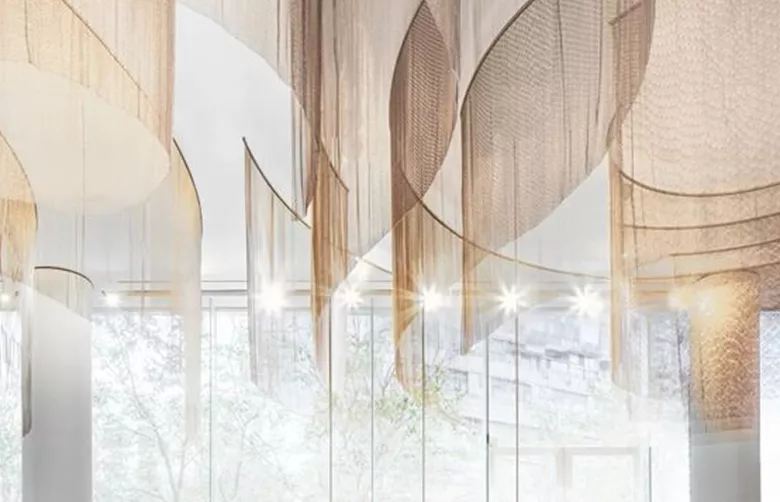
Ceiling Systems
Decorative mesh ceilings create:
Modern architectural style
Open visual effects
Integrated lighting solutions
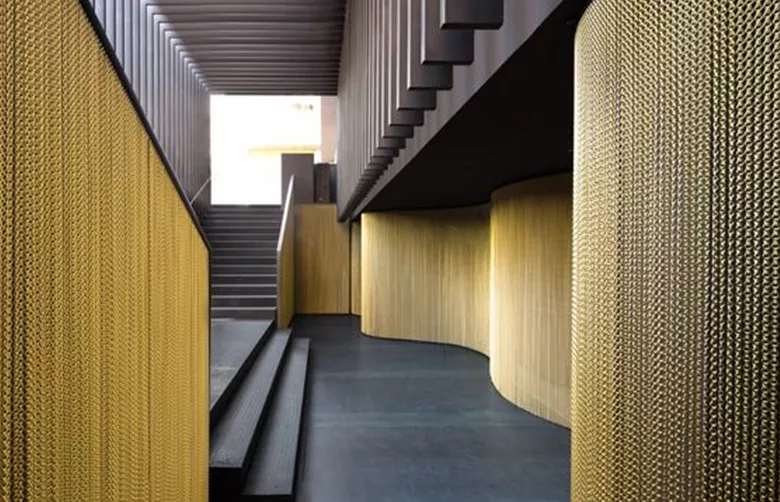
Space Partitions
Mesh partitions provide:
Semi-private spaces
Airflow and visibility
Flexible room division
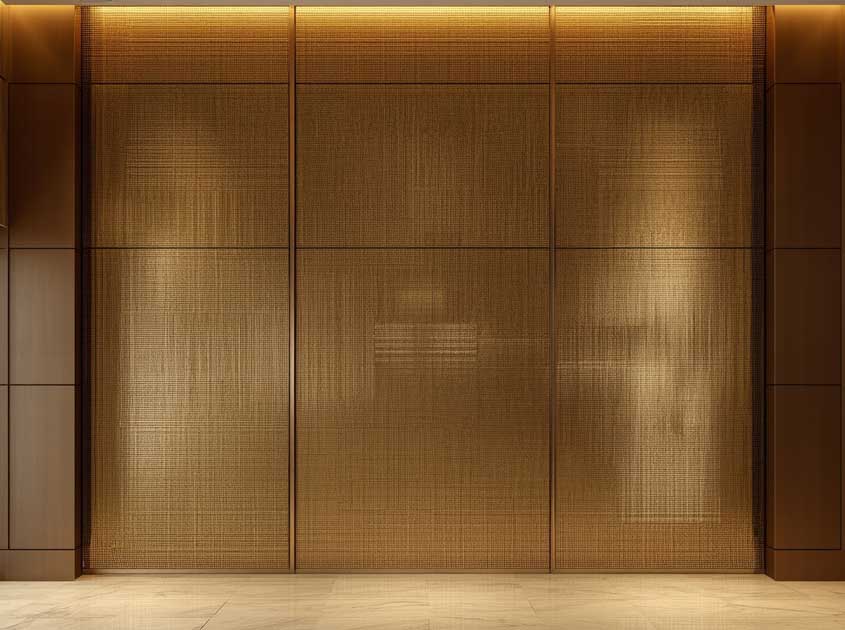
Decorative Wall Panels
Wall mesh systems are used for:
Feature walls
Reception backgrounds
Luxury interior accents
Railings and Balustrades
Architectural mesh can provide:
Safety protection
Elegant metallic appearance
Modern staircase design
Elevator and Lobby Decoration
Decorative mesh enhances:
Luxury atmosphere
Lighting interaction
Contemporary commercial aesthetics
Step 2: Choose the Right Material
Material selection is one of the most important decisions.
Stainless Steel Decorative Mesh
The most widely used architectural material.
Advantages:
Corrosion resistance
Modern appearance
Long lifespan
Easy maintenance
Best for:
Hotels
Restaurants
Commercial interiors
Stainless steel 304 is commonly used for indoor applications.
Aluminum Decorative Mesh
Popular for lightweight interior systems.
Advantages:
Lightweight
Flexible installation
Good corrosion resistance
Cost-effective
Best for:
Ceiling systems
Large decorative panels
Brass Decorative Mesh
Used in luxury interior projects.
Advantages:
Warm metallic color
Premium appearance
Elegant decorative atmosphere
Best for:
Boutique hotels
Luxury restaurants
High-end retail stores
Copper Decorative Mesh
Offers artistic and vintage aesthetics.
Advantages:
Unique texture
Rich visual character
Distinctive architectural style
Often used in creative interior spaces.
Step 3: Select the Appropriate Mesh Pattern
Mesh pattern significantly affects appearance and functionality.
Open Mesh Patterns
Advantages:
Better airflow
More transparency
Enhanced light transmission
Suitable for:
Large open spaces
Ceiling systems
Facade-style interiors
Dense Mesh Patterns
Advantages:
Greater privacy
Strong decorative impact
Better shading effect
Suitable for:
Room dividers
Feature walls
VIP dining areas
Woven Mesh Designs
Provide:
Elegant texture
Luxury appearance
Flexible architectural aesthetics
Widely used in premium commercial interiors.
Step 4: Consider Lighting Effects
Lighting interaction is one of the biggest advantages of decorative metal mesh.
Metal surfaces reflect:
LED lighting
Ambient lighting
Natural sunlight
Creating:
Dynamic shadows
Metallic textures
Luxury visual atmosphere
When selecting mesh, consider:
Lighting direction
Reflection intensity
Transparency level
Step 5: Choose Surface Finish and Color
Surface finish affects both appearance and durability.
Common Finishes:
Brushed finish
Matte finish
Mirror polish
Powder coating
Electroplating
Anodizing
Popular Colors:
Gold
Silver
Black
Bronze
Champagne
Copper
Custom colors are available for branding and interior themes.
Step 6: Consider Installation Method
Different interior projects require different installation systems.
Common Installation Types:
Frame-mounted panels
Ceiling suspension systems
Sliding curtain systems
Tension cable systems
Proper installation ensures:
Structural safety
Long-term durability
Easy maintenance
Step 7: Evaluate Durability and Maintenance
Interior decorative materials should be durable and easy to maintain.
Decorative metal mesh offers:
Fire resistance
Moisture resistance
Corrosion resistance
Easy cleaning
This makes it highly suitable for high-traffic commercial environments.
Advantages of Decorative Metal Mesh for Interiors
Modern Architectural Appearance
Decorative mesh creates:
Contemporary interior style
Premium commercial atmosphere
Elegant metallic textures
Flexible Design Possibilities
Architects can customize:
Mesh patterns
Wire diameter
Opening size
Surface finishes
Panel dimensions
Sustainability and Longevity
Metal mesh is:
Recyclable
Durable
Low maintenance
Supporting sustainable architectural design.
Common Interior Design Styles Using Decorative Mesh
Luxury Style
Brass mesh
Gold finish
Fine woven patterns
Industrial Modern Style
Black steel mesh
Expanded metal
Open patterns
Minimalist Contemporary Style
Stainless steel mesh
Clean lines
Neutral metallic finishes
Why Global Buyers Choose Chinese Manufacturers
China is one of the world’s leading suppliers of decorative metal mesh because of:
Advanced weaving technology
Strong customization capability
Competitive pricing
Large-scale production capacity
Extensive export experience
Chinese manufacturers provide decorative mesh solutions for:
Hotels
Restaurants
Shopping malls
Offices
Public buildings worldwide
What Professional Suppliers Can Provide
Reliable decorative mesh manufacturers offer:
Custom Design Services
CAD drawings
Pattern development
Finish recommendations
Quality Control
Surface inspection
Wire strength testing
Dimensional accuracy verification
Export Support
Secure packaging
Technical documentation
International shipping solutions
Future Trends in Decorative Interior Design
Interior architecture is increasingly moving toward:
Metallic decorative systems
Sustainable materials
Open-space concepts
Smart lighting integration
Minimalist luxury aesthetics
Decorative metal mesh aligns perfectly with these modern design trends.
Conclusion
Choosing decorative metal mesh for interiors requires careful consideration of material, pattern, transparency, lighting effects, installation methods, and overall architectural style. The right decorative mesh system can significantly enhance the visual appeal, functionality, and luxury atmosphere of modern interior spaces.
With excellent durability, customization flexibility, and contemporary aesthetics, decorative metal mesh has become an essential material in modern interior architecture worldwide.
As a professional Chinese decorative metal mesh manufacturer and exporter, providing customized architectural mesh solutions with advanced production technology and international project experience helps architects, designers, and developers create elegant, innovative, and high-performance interior spaces worldwide.
Recommended News