
-
About UsProductsCustomized SolutionProjectGalleryNews
News
How Woven Metal Fabric Creates Unique Lighting Effects in Architecture
Release time: October 27, 2026Light can transform the way people experience a building. It reveals surface textures, defines architectural forms, creates visual depth, and changes the atmosphere of an interior throughout the day. While lighting fixtures are often the first elements considered in a lighting design, the materials surrounding them can be just as important.
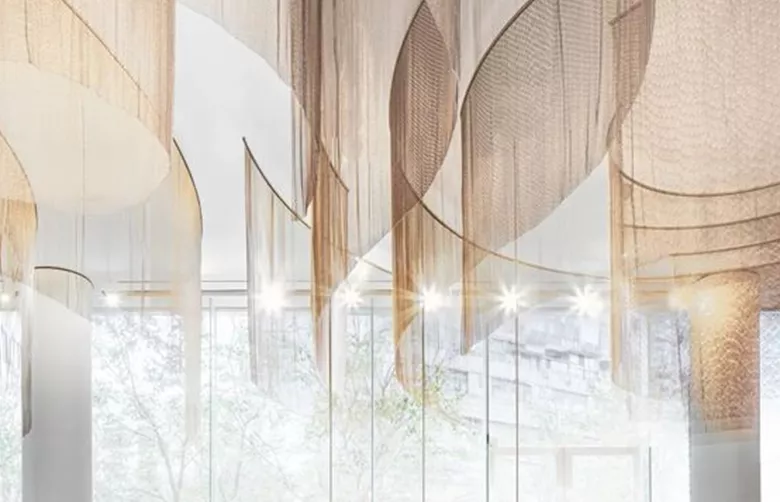
Woven metal fabric offers architects and interior designers a distinctive way to shape these effects. Created by interlacing metal wires or strands into a patterned surface, it interacts with light through reflection, transmission, partial screening, and shadow formation.
Unlike a solid metal panel, woven metal fabric contains openings that allow light to pass through the material. At the same time, its metallic strands catch and redirect light, creating a layered appearance that changes with viewing angle, illumination, and movement.
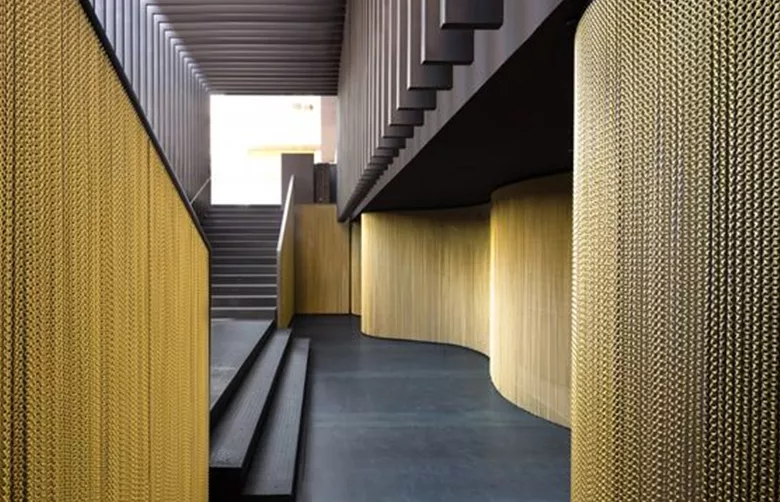
From illuminated ceilings and decorative partitions to building facades and feature walls, architectural woven metal fabric can turn an ordinary surface into a dynamic part of the lighting concept.
1. Why Woven Metal Fabric Produces Distinctive Lighting Effects
The lighting performance of woven metal fabric comes from the relationship between three elements: the metal strands, the openings between them, and the light source.
Each strand has a surface that can reflect light. Each opening provides a path for light to travel through the mesh. The repeated pattern creates a visual rhythm that becomes more noticeable when light and shadow interact with the material.
This combination produces several different effects.
Reflection: Metallic strands reflect incident light, creating highlights that may appear bright or subdued depending on the metal, finish, surface condition, and lighting angle.
Transmission: Light passes through the openings in the weave. The amount of transmitted light depends on the mesh geometry, strand dimensions, spacing, and angle of illumination.
Shadow formation: The strands partially block light and can create patterned shadows on nearby floors, walls, ceilings, or other surfaces.
Visual layering: When woven metal fabric is installed in front of glass, stone, a wall, or a separate lighting layer, the viewer sees multiple surfaces at once. This can create depth without requiring a heavy, solid architectural element.
These effects are interconnected. A mesh that creates strong highlights under a spotlight may appear much more subtle under diffuse daylight. A pattern that looks open when viewed straight on may appear visually denser from an oblique angle.
For this reason, woven metal fabric should be evaluated as part of the complete architectural lighting system rather than as an isolated decorative material.
2. Reflection: Turning Metal Texture Into a Lighting Feature
Reflection is often the first effect people notice when looking at architectural metal mesh.
When light strikes the metal strands, some of it is reflected toward the viewer or other surfaces. Depending on the wire shape, surface finish, weave pattern, and lighting position, the mesh may display fine highlights, a uniform metallic sheen, or more pronounced areas of contrast.
Different materials and finishes produce different visual characteristics.
Stainless steel woven metal fabric
Stainless steel mesh is often selected for contemporary interiors and architectural installations that require a metallic appearance. Depending on its surface finish and weave geometry, it can produce crisp highlights or a more restrained, brushed appearance.
It may be used in feature walls, elevator interiors, ceiling details, balustrade infill systems, and decorative screens.
Aluminum woven metal fabric
Aluminum can be useful where a relatively lightweight metal solution is desired. Its appearance depends on the alloy, surface treatment, wire geometry, and finish. Designers may select it for applications where weight, color, and visual integration are important considerations.
Colored and specially finished mesh
Surface finishes can influence both color perception and reflected light. Dark finishes may create a stronger contrast between illuminated strands and the surrounding environment, while lighter metallic finishes may produce a brighter overall appearance.
However, a darker finish does not automatically create better contrast, and a brighter finish does not guarantee greater usable illumination. The final effect depends on the complete lighting arrangement.
Design tip: Position sample panels at the intended installation angle and test them using the actual type of lighting planned for the project. A small change in spotlight direction can significantly change the appearance of reflective metal strands.
3. Light Transmission: Creating a Layer Between Light and Space
Unlike solid sheet metal, woven metal fabric allows light to pass through its openings. This makes it useful for designs that need both a physical surface and a degree of visual openness.
The amount of light that passes through depends on the proportion of open space, the strand thickness, the weave pattern, and the angle between the mesh and the incoming light.
An open weave generally provides more direct visual access through the material, while a denser pattern can create a stronger screening effect. However, open area alone does not fully determine the perceived brightness behind a mesh. Surface reflection, viewing direction, background color, and light-source position also matter.
Backlit architectural mesh
Placing a light source behind woven metal fabric can emphasize its pattern and produce a glowing visual layer.
This approach can be used for:
Reception desk backgrounds
Decorative feature walls
Hotel lobby installations
Retail display backdrops
Exhibition environments
Selected ceiling and interior cladding details
The distance between the mesh and the light source is particularly important. If the lighting is too close, individual light sources may become visible through the openings, creating uneven bright spots. A carefully designed separation or diffusion layer may help produce a more uniform appearance.
The required arrangement depends on the mesh opening, lighting equipment, installation depth, and intended visual effect. Mock-ups are strongly recommended for large or highly visible installations.
Mesh in front of glazing
Woven metal fabric can also be installed in front of glazed surfaces to create a layered architectural appearance.
During daylight, the mesh interacts with natural light and the surrounding environment. At night, interior illumination may change how the material is perceived from outside.
The result depends on the relative brightness of the interior and exterior, the viewing angle, the mesh configuration, and the glazing system. Designers should not assume that the same visual effect will remain constant under all lighting conditions.
4. Shadow Patterns: Making Light Visible Through Geometry
One of the most expressive properties of woven metal fabric is its ability to produce patterned shadows.
When a directional light source shines onto a mesh, the strands block part of the light while the openings allow other portions to pass through. The resulting pattern may be projected onto a nearby surface.
The appearance of these shadows depends on several factors:
Weave geometry: Different patterns create different shadow structures.
Strand dimensions: Thicker strands may produce more substantial shadows.
Light-source size: A smaller, more directional source generally produces sharper shadows than a broad diffuse source.
Distance: The spacing between the mesh and the receiving surface affects shadow scale and sharpness.
Lighting angle: Changing the angle can stretch, compress, or redirect the shadow pattern.
Surface color and texture: A light-colored, relatively uniform surface may reveal shadows more clearly than a dark or highly textured background.
These relationships create opportunities for architectural experimentation.
A decorative mesh screen can cast subtle patterns across a lobby wall. A suspended mesh element can introduce changing shadow details into a restaurant interior. A feature wall can combine metal texture with carefully positioned lighting to create a more dimensional visual effect.
Designers should also consider whether the shadow pattern needs to remain stable. If daylight is part of the design, shadows may change throughout the day. If consistency is important, controlled artificial lighting may provide a more predictable result.
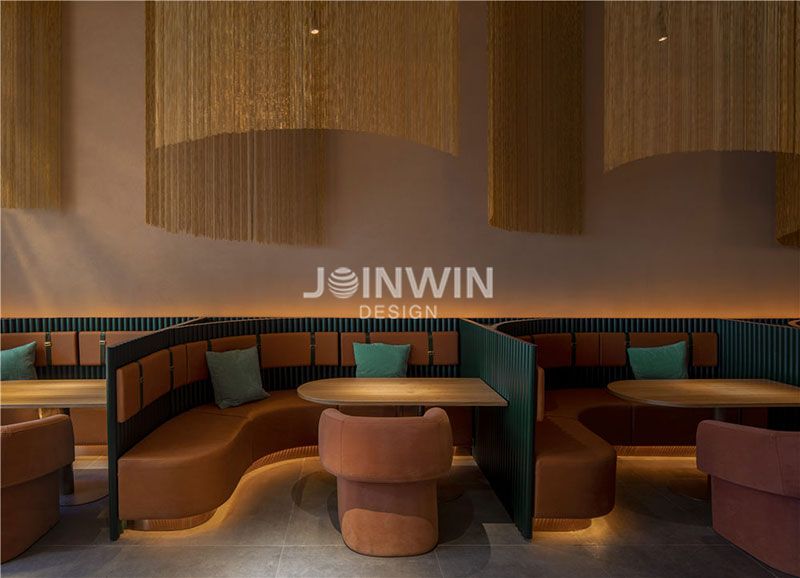
5. Four Lighting Strategies for Architectural Woven Metal Fabric
Different lighting arrangements emphasize different properties of metal mesh. The best strategy depends on whether the design objective is to highlight the material, reveal its openings, create shadows, or produce a glowing surface.
Strategy 1: Grazing light
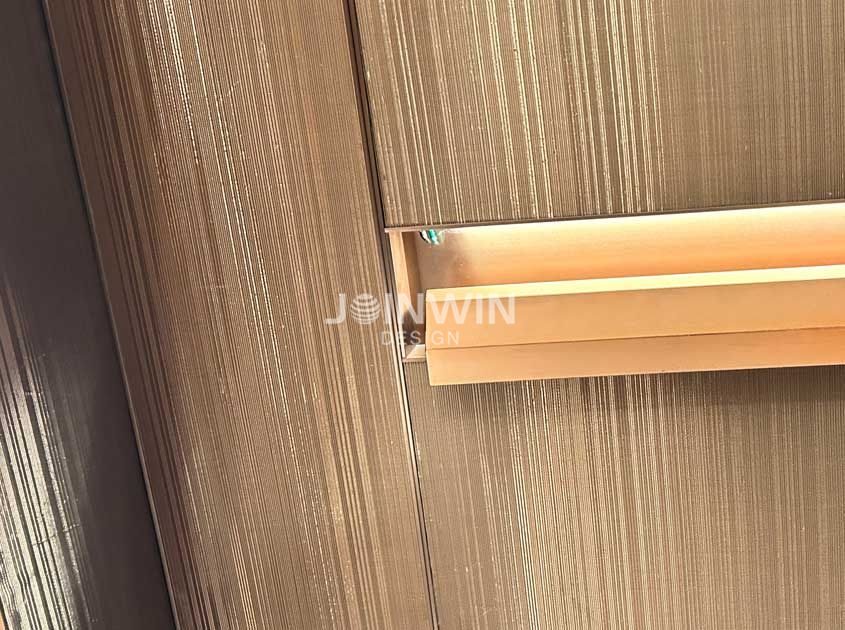
Grazing light travels across or close to the surface at a shallow angle. It can emphasize the physical texture of the woven strands and reveal small differences in surface geometry.
This approach is particularly effective for feature walls and decorative metal surfaces where texture is more important than uniform brightness.
The main consideration is glare. Highly reflective mesh may create bright points when the light source and viewing angle are poorly coordinated. Test the arrangement from the normal viewing positions of occupants.
Strategy 2: Backlighting
Backlighting places the light source behind the mesh relative to the viewer. It can emphasize the openings and create a luminous pattern.
This is often useful for decorative partitions, reception backgrounds, display elements, and selected ceiling features.
For an even appearance, the design may require a suitable cavity depth, diffusion material, and carefully positioned light sources. The mesh should also remain accessible if lighting equipment needs replacement or maintenance.
Strategy 3: Front lighting
Front lighting illuminates the mesh from the viewer's side. It highlights the metallic strands and can make the weave pattern easier to see.
This arrangement may be appropriate for architectural feature walls, interior screens, and installations where the metal itself is the focal point.
The designer should evaluate reflected glare and the balance between the mesh and its background. If both surfaces are brightly illuminated, the visual layering may become less distinct.
Strategy 4: Combined lighting
A combination of front lighting and backlighting can make the metal strands and the openings visible at the same time.
For example, backlighting may establish a luminous background, while controlled front lighting reveals the surface texture of the mesh. The result can feel more dimensional than either method used alone.
However, more light does not necessarily mean a better result. Excessive illumination can flatten the pattern, create glare, or reduce contrast. A mock-up allows designers to adjust brightness, angle, and color temperature before final installation.
6. How Mesh Pattern and Density Influence the Result
Lighting design begins with the mesh specification. Different weave patterns can produce different visual rhythms, shadow shapes, and degrees of openness.
Plain woven patterns
A regular woven pattern can create a consistent visual texture. Under controlled lighting, the repeated structure may produce a relatively uniform arrangement of highlights and shadows.
This can suit contemporary interiors that require a clean, orderly appearance.
Twill and other patterned weaves
Different interlacing arrangements can introduce diagonal lines, more complex textures, or a stronger directional character. Their lighting effects depend on the specific wire geometry and pattern.
For large architectural surfaces, the direction of the weave should be considered in relation to the building's lines, furniture layout, and viewing angles.
Open versus dense mesh
An open mesh can preserve more visual connection between adjacent spaces and allow more light to pass through its openings. A denser mesh may create a more continuous visual surface and stronger screening.
Neither option is universally better. The correct density depends on the intended balance between visibility, reflection, light transmission, and privacy.
For procurement and design approval, request technical drawings or sample panels showing the actual wire diameter, opening dimensions, weave type, and relevant open-area information. Product names alone may not provide enough detail for a reliable comparison.
7. Selecting the Right Metal and Finish for Lighting Design
Material selection affects more than weight and corrosion resistance. It also influences the appearance of highlights, the perceived color of the mesh, and the relationship between the mesh and its surroundings.
Material or finish
Typical visual character
Design considerations
Stainless steel, polished finish Stronger, more defined highlights may be visible Check glare and reflected images under directional lighting
Stainless steel, brushed finish More restrained metallic texture Coordinate the brushing direction with the architectural composition
Aluminum with a suitable surface finish Can offer a lightweight metallic appearance and varied color options Confirm the finish, surface durability, and batch consistency
Dark-colored finish Can create contrast against brighter backgrounds Check whether strand details remain visible at the intended viewing distance
Gold or bronze-colored finish Can introduce a warmer decorative tone Review actual samples under the project's lighting color and intensity
These are general visual tendencies, not guaranteed results. The exact appearance depends on the product's geometry, finish quality, lighting direction, and surrounding materials.
For projects involving humid, coastal, or chemically demanding environments, material and finish suitability should also be assessed against the actual exposure conditions.
8. Lighting Design Mistakes to Avoid
Even a high-quality woven metal fabric may fail to deliver the intended effect if the lighting and installation are not coordinated.
Choosing mesh from photographs alone. Photographs cannot reliably show the full effect of reflection, transparency, or shadow formation. Request a physical sample.
Ignoring viewing angles. A mesh may look open from one direction and visually dense from another. Evaluate the principal approach routes and occupied viewing positions.
Placing backlights too close to the mesh. Visible light points can create uneven brightness. Test cavity depth, diffusion, and light-source spacing.
Overlooking glare. Reflective strands can produce distracting highlights if the light source is positioned poorly. Consider the viewing angle, brightness, and surface finish together.
Treating decorative mesh as a complete lighting-control system. Woven metal fabric does not automatically provide glare control, solar shading, privacy, acoustic performance, or a specified light-transmission level. Those requirements need separate evaluation.
Failing to plan maintenance access. Backlighting systems may require access to drivers, connections, and replaceable components. The mesh mounting system should support the intended maintenance procedure.
Approving the finish without a full-scale mock-up. For prominent feature walls, large ceilings, and complex backlit installations, a representative mock-up can reveal issues that small material samples cannot.
9. A Practical Checklist for Architects and Project Buyers
Before specifying architectural woven metal fabric for a lighting project, confirm the following details with the design team and supplier.
Design intention: Is the mesh intended to create reflection, transmit light, cast shadows, provide screening, or combine several effects?
Installation location: Will it be used on a wall, ceiling, partition, facade, balustrade, or decorative feature?
Mesh geometry: What are the weave type, wire diameter, opening size, and overall panel or roll dimensions?
Material and finish: Which metal and surface treatment are required? Has the actual finish been approved?
Lighting arrangement: Is the mesh front-lit, backlit, grazed by directional lighting, or illuminated from multiple directions?
Mock-up requirements: Does the project require a physical sample or full-scale lighting test?
Mounting and support: How will the mesh be fixed, tensioned, framed, or suspended? Is the supporting structure adequate for the complete installation?
Environmental conditions: Will the mesh be exposed to humidity, exterior weather, cleaning chemicals, or frequent contact?
Maintenance access: Can the mesh and lighting equipment be inspected, cleaned, and serviced safely?
Project documentation: Are drawings, finish samples, installation details, packing requirements, and quality inspection criteria clearly defined?
For international projects, confirm the supply format, packaging method, production schedule, and consistency requirements before placing a bulk order.
Frequently Asked Questions
Does woven metal fabric allow light to pass through?
Yes. Its openings allow light to pass through, while the metal strands partially block and reflect light. The actual effect depends on the weave geometry, wire dimensions, surface finish, lighting angle, and background.
Is woven metal fabric suitable for backlighting?
It can be suitable for backlit feature walls, decorative partitions, and selected ceiling or display applications. The final result depends on the mesh configuration, cavity depth, diffusion arrangement, and light-source positioning. A physical mock-up is recommended for visually sensitive projects.
Which woven metal fabric is best for creating shadows?
There is no single best pattern for every project. The result depends on the weave, strand dimensions, light-source size, lighting angle, and distance from the receiving surface. Compare representative samples under the intended lighting conditions.
Can architectural metal mesh reduce glare or solar heat?
It may alter the amount and direction of light reaching a space, but the performance varies with the mesh and the complete installation. Do not assume that decorative woven mesh provides a specified glare-control or solar-heat-reduction performance without relevant test data or system calculations.
How can designers compare different metal mesh samples?
Compare samples of similar size under the same lighting conditions. Evaluate reflection, visual openness, shadow definition, color, surface finish, and appearance from different viewing angles. For large projects, test the mesh together with the intended backing surface and lighting equipment.
Conclusion: Design the Light Together With the Material
Woven metal fabric creates distinctive lighting effects because it is neither a completely solid surface nor an entirely open space. Its strands reflect light, its openings transmit it, and its repeated geometry shapes the shadows between them.
For architects and interior designers, this combination offers a way to integrate material texture and lighting into a single design element. The most successful installations begin with a clearly defined visual objective and develop the mesh specification, finish, lighting position, mounting system, and maintenance plan around that objective.
Whether used in an illuminated feature wall, a decorative ceiling, a layered facade, or an interior screen, architectural woven metal fabric can add depth and visual movement when its properties are understood and carefully coordinated.
For project buyers, the practical lesson is simple: specify the mesh and the lighting as a coordinated system, approve representative samples, and confirm the installation details before production. This approach helps translate a creative lighting concept into a buildable, consistent, and maintainable architectural feature.
Recommended News