
-
About UsProductsCustomized SolutionProjectGalleryNews
News
Architectural Woven Metal Fabric for Buildings: Applications, Design Options and Specification Guide
Release time: September 16, 2026Architectural woven metal fabric has become an increasingly versatile material for modern building design. Made by weaving metal wires into flexible or semi-rigid patterns, it can be used to create surfaces that combine transparency, texture, light control, airflow, and visual separation.
Unlike solid metal panels, woven metal fabric does not completely close a surface. Depending on the weave, wire diameter, and opening ratio, it can allow light and air to pass through while creating a distinctive metallic appearance.
This makes architectural woven metal fabric suitable for both building exteriors and interiors.
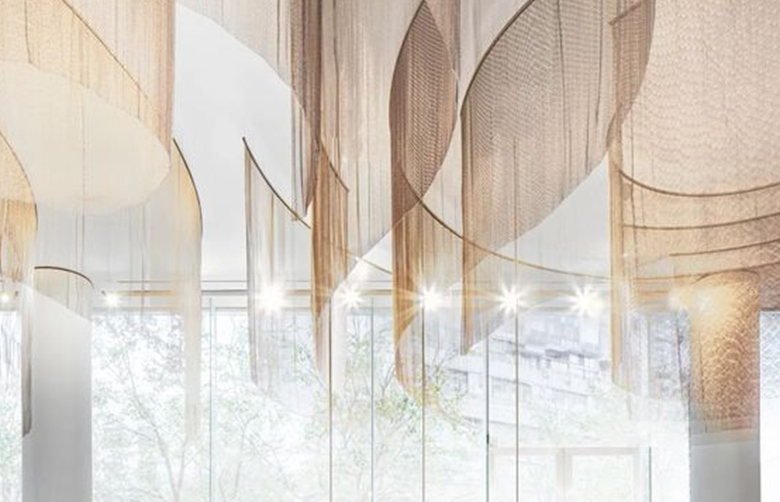
Architects and designers use it for facades, sun screens, partitions, ceilings, balustrades, elevator areas, parking structures, retail interiors, hotels, restaurants, and other commercial projects.
The material can also be customized in different metals, patterns, dimensions, and finishes to match the architectural concept.
What Is Architectural Woven Metal Fabric?
Architectural woven metal fabric is a decorative and functional metal mesh manufactured by weaving metal wires together.
Common materials include:
Stainless steel
Aluminum
Brass
Copper
Mild steel
Other suitable metal alloys
Different weaving methods produce different visual and technical characteristics.
Depending on the design, woven metal fabric can be:
Flexible
Semi-rigid
Highly transparent
Relatively dense
Fine-textured
Heavy-duty
Decorative
Suitable for large architectural surfaces
Compared with conventional industrial wire mesh, architectural woven metal fabric places greater emphasis on appearance, pattern, surface finish, and integration with the building design.
Why Is Woven Metal Fabric Used in Buildings?
Architectural woven metal fabric can perform several functions simultaneously.
A single installation can act as:
A decorative facade
A visual screen
A solar-shading layer
A room divider
A safety infill
A ceiling feature
A privacy screen
A decorative wall
A protective enclosure
Its open structure also allows designers to maintain a visual relationship between spaces.
The material can therefore create a boundary without necessarily creating a completely solid barrier.
This combination of function and visual transparency is one of the main reasons it is used in contemporary architecture.
1. Building Facades
One of the most visible applications is the exterior facade.
Architectural woven metal fabric can be installed in front of glass, concrete, or other building materials to create a secondary facade layer.
This can change the appearance of a building while maintaining partial visibility through the screen.
Facade applications can include:
Full-height facade screens
Entrance features
Decorative facade panels
Secondary facade layers
Feature walls
Building frontage
Canopies
The appearance changes throughout the day as sunlight and artificial lighting interact with the woven metal surface.
Why Use Woven Metal Fabric on a Facade?
Designers may choose it to create:
A distinctive architectural identity
Partial solar screening
Visual depth
Metallic texture
Controlled transparency
Airflow through the facade layer
For exterior applications, the selected material, mesh construction, fixing system, and environmental exposure must all be evaluated.
2. Solar Screens and Sun-Shading Systems
Woven metal fabric can also function as a solar-screening layer.
The open mesh allows some daylight and visibility to remain while reducing direct exposure to the building surface.
Performance depends on factors such as:
Mesh opening
Wire diameter
Open area
Screen position
Building orientation
Solar exposure
Installation angle
A denser mesh can create greater visual coverage, while a more open mesh maintains higher transparency.
For projects where solar control is a major objective, architects should evaluate the complete facade design rather than selecting mesh based solely on appearance.
3. Building Entrance Features
Entrance areas are often used to establish the visual identity of a building.
Woven metal fabric can be used around:
Main entrances
Hotel entrances
Shopping centers
Office buildings
Transportation facilities
Exhibition centers
It can form a suspended feature, canopy element, decorative wall, or partial screen.
Because metal mesh can reflect changing light conditions, the entrance can have a different appearance during daytime and nighttime.
Lighting can also be positioned behind or around the mesh to emphasize its texture.
4. Interior Room Dividers
Woven metal fabric is particularly useful when an interior requires separation without a solid wall.
It can divide:
Restaurant seating
Hotel lobby areas
Office spaces
Retail zones
Reception areas
Exhibition spaces
Public interiors
Unlike a solid partition, the mesh can maintain visual connections between different areas.
Designers can select a more open weave when visibility is important or a denser construction when greater visual separation is required.
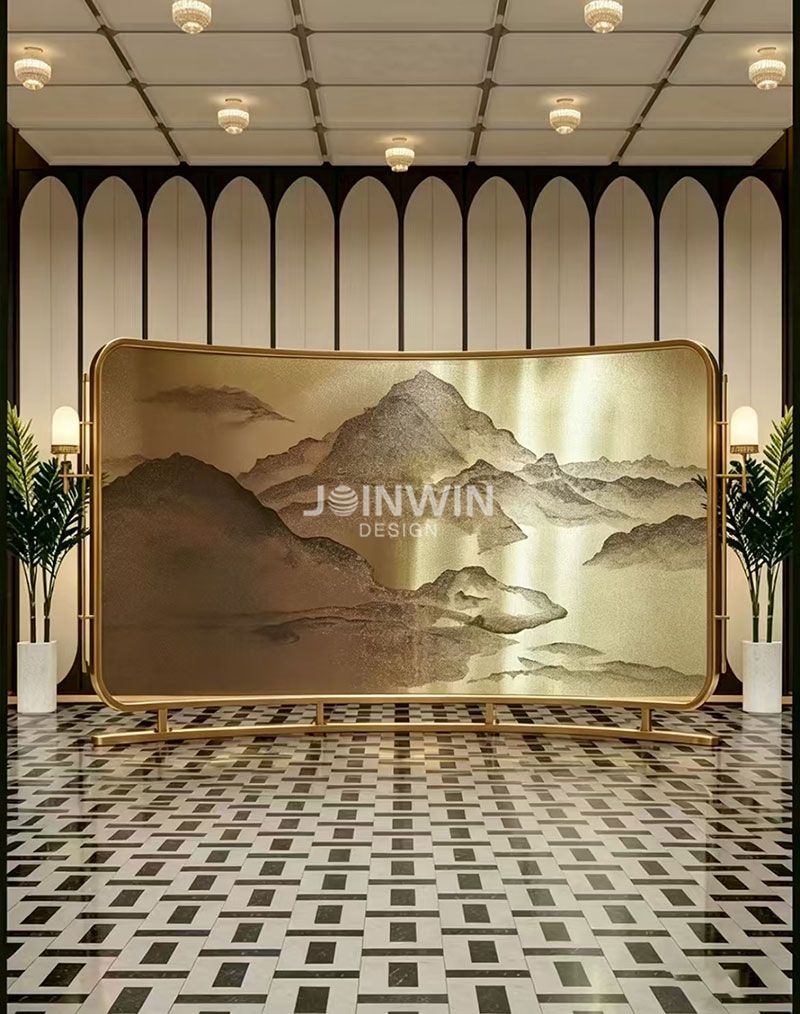
5. Hotel and Hospitality Interiors
Hotels, restaurants, bars, and entertainment venues often use decorative materials to create memorable interior environments.
Architectural woven metal fabric can be used for:
Lobby partitions
Reception backdrops
Restaurant dividers
Bar decoration
Feature walls
Ceiling elements
Decorative curtains
Staircase areas
The metallic surface can work with different lighting arrangements and interior materials such as wood, stone, glass, and concrete.
This makes woven metal fabric suitable for both modern minimalist interiors and more decorative hospitality designs.
6. Retail Store Design
Retail spaces need to balance product visibility with spatial organization.
Woven metal fabric can create separate zones without making the store appear completely enclosed.
Applications include:
Display backgrounds
Fitting-room screens
Product partitions
Window displays
Decorative walls
Ceiling installations
Brand feature areas
The mesh can also be combined with lighting to create a layered visual effect.
For retail chains, consistent color, mesh pattern, dimensions, and finish can be especially important when the same design is used across multiple locations.
7. Ceilings and Suspended Architectural Features
Architectural woven metal fabric does not have to be installed vertically.
It can also be suspended horizontally or at an angle.
Possible applications include:
Decorative ceilings
Suspended panels
Ceiling clouds
Layered ceiling features
Decorative canopies
Lighting screens
The material can create visual depth without forming a completely solid ceiling.
In some designs, lighting fixtures are installed above or behind the mesh to create a soft layered effect.
The support structure must be designed according to the actual weight of the mesh and installation system.
8. Staircases and Balustrades
Woven metal fabric can also be incorporated into stair and railing systems.
Possible applications include:
Stair balustrade infill
Balcony screens
Mezzanine barriers
Walkway protection
Decorative railing panels
The flexibility of some mesh types allows the material to follow architectural curves.
However, when used as a safety barrier, the complete system must meet the applicable building and safety requirements.
The mesh itself should not be considered a substitute for an engineered railing system.
9. Elevator and Lift Areas
Elevator areas can sometimes appear visually plain because of the large amount of metal and glass used in their construction.
Woven metal fabric can introduce texture and visual depth around:
Elevator entrances
Elevator lobbies
Lift shafts
Decorative elevator surrounds
It can also be combined with lighting to create a distinctive background.
The final design should account for access, maintenance, ventilation, fire requirements, and the relevant building regulations.
10. Parking Garage Facades and Screens
Parking structures frequently require open facade systems that provide airflow while partially screening vehicles and equipment.
Woven metal fabric can be used as a decorative screen for suitable parking structures.
Potential functions include:
Partial visual screening
Facade decoration
Airflow
Sun screening
Visual separation
The openness of the mesh makes it fundamentally different from a solid metal facade.
For parking structures, wind loading and fixing design are particularly important because large exterior mesh surfaces can experience significant wind forces.
11. Commercial and Office Buildings
Office buildings can use woven metal fabric both externally and internally.
Interior applications include:
Reception areas
Meeting room partitions
Open-office zoning
Staircases
Decorative walls
Feature ceilings
Exterior applications can include:
Facade screens
Entrance decoration
Sun-shading layers
Equipment screening
The same mesh pattern can sometimes be used in different areas of a project to create a consistent architectural language.
12. Airports and Transportation Buildings
Large public buildings such as airports, railway stations, and transportation terminals often require materials that can cover large areas while maintaining openness.
Architectural woven metal fabric can be used for:
Interior partitions
Ceiling features
Decorative walls
Balustrades
Screening systems
Entrance features
The exact specification should be selected according to the project's fire, safety, structural, maintenance, and cleaning requirements.
For major transportation projects, compliance documentation and tested system performance may be required.
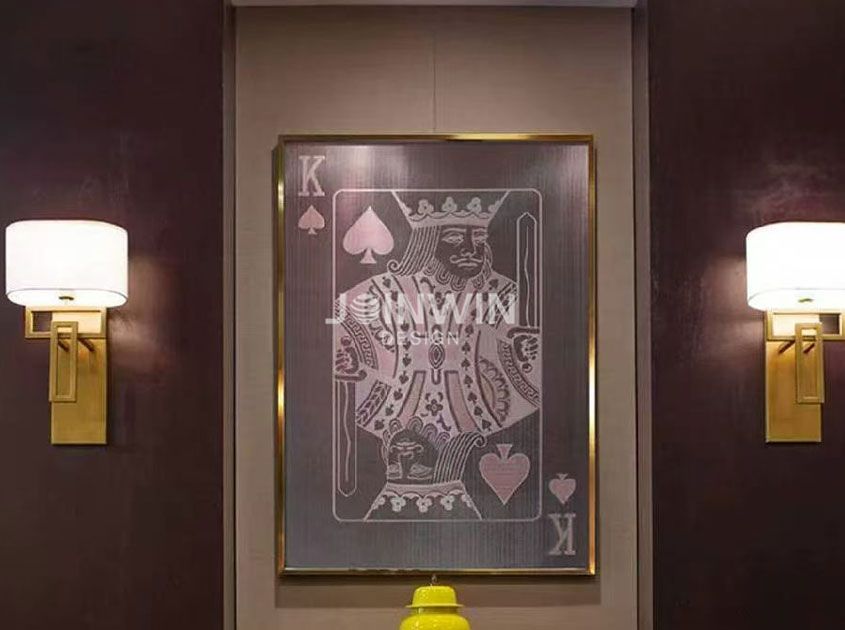
13. Decorative Feature Walls
A woven metal wall can create a strong visual focal point without using a completely solid material.
It can be installed:
In front of a wall
As a suspended panel
Between architectural frames
Behind reception desks
Around staircases
As a retail display background
Lighting is particularly important.
Light positioned behind or beside the mesh can emphasize the weave and create shadows on the surface behind it.
14. Privacy Screens
Woven metal fabric can also provide varying levels of visual screening.
The privacy level depends on:
Mesh opening
Wire diameter
Weave type
Mesh density
Viewing angle
Lighting conditions
A dense mesh can obscure details behind the screen while still allowing light through.
A more open mesh can preserve greater visibility.
This makes it possible to select a mesh according to the project's privacy requirements rather than using one standard design for every application.
15. Outdoor Architectural Screens
In suitable materials and configurations, woven metal fabric can be used outdoors for:
Courtyard screens
Balcony screens
Terrace dividers
Outdoor restaurant areas
Building entrances
Garden structures
For outdoor use, the manufacturer and designer should consider:
Metal grade
Corrosion exposure
Surface finish
Wind loads
Drainage
Fixing method
Maintenance access
Stainless steel and aluminum are common choices for architectural applications, but the appropriate material depends on the project environment and design requirements.
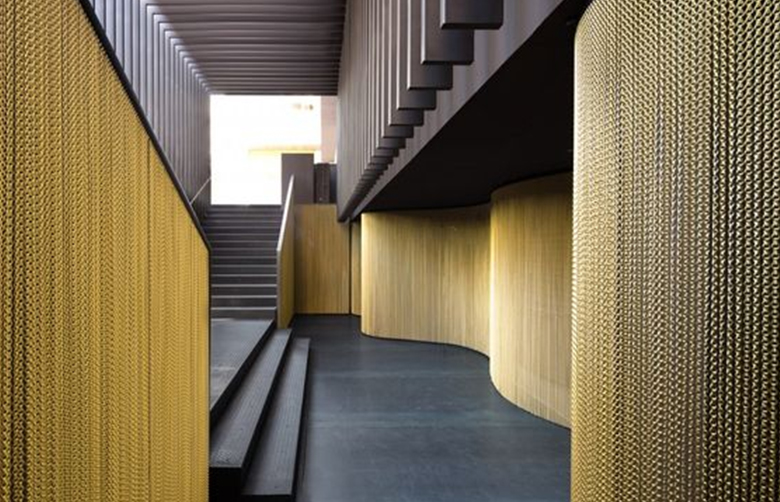
16. Woven Metal Fabric for Curved Architecture
Some architectural designs require materials to follow curved or irregular surfaces.
Certain woven metal fabrics are flexible enough to accommodate:
Curved walls
Rounded columns
Arched openings
Wave-shaped features
Irregular architectural forms
This is one area where woven metal fabric can provide a visual effect that is difficult to achieve with conventional rigid metal panels.
The exact bending capability depends on the mesh construction, wire diameter, material, and supporting system.
For a curved project, it is useful to provide the manufacturer with drawings or a detailed dimensional layout before production.
17. Combining Woven Metal Fabric With Glass
Glass and metal mesh can work particularly well together.
For example, woven metal fabric can be installed:
In front of glass facades
Between glass panels
Behind glass partitions
Around glass staircases
As a decorative layer
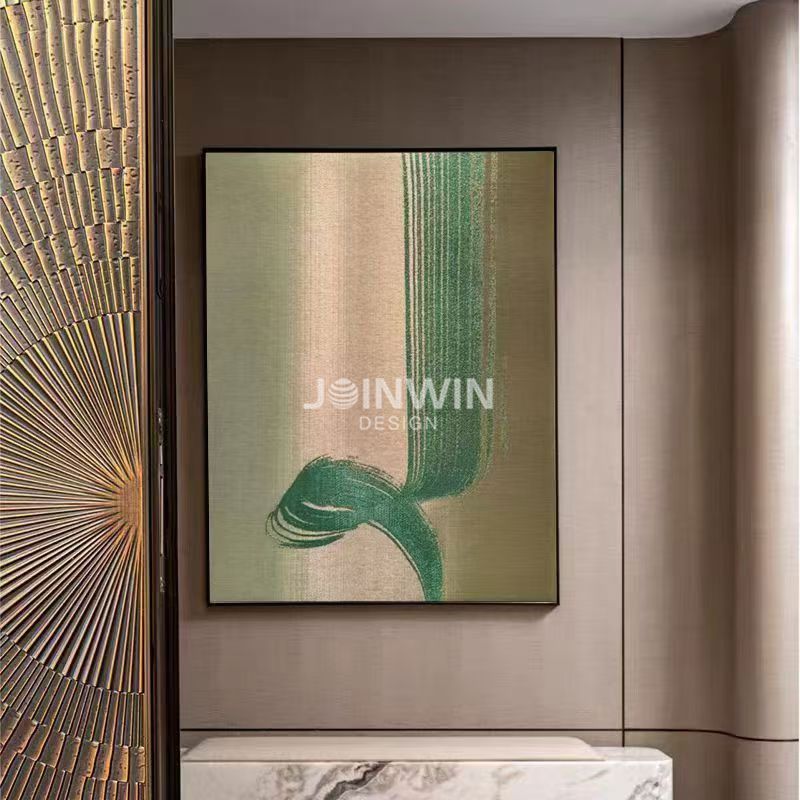
The glass provides transparency while the mesh introduces texture, reflection, and visual depth.
This layered approach can also allow designers to adjust the apparent transparency of the facade depending on the mesh density and lighting conditions.
18. Choosing the Right Metal for Architectural Applications
The material affects both appearance and performance.
Stainless Steel
Stainless steel is widely used because of its combination of:
Corrosion resistance
Strength
Durability
Modern metallic appearance
It is commonly considered for exterior facades, interior decoration, and demanding commercial environments.
Aluminum
Aluminum offers a lightweight alternative.
It can be useful where designers want:
Lower weight
Large decorative surfaces
Easy handling
Various surface finishes
Brass
Brass provides a warm golden metallic appearance and is often selected for decorative interiors.
Copper
Copper can provide a distinctive architectural appearance and may develop a changing surface character over time depending on the environment and finish.
The correct metal should be selected according to both the visual concept and the project's technical requirements.
19. Surface Finishes and Colors
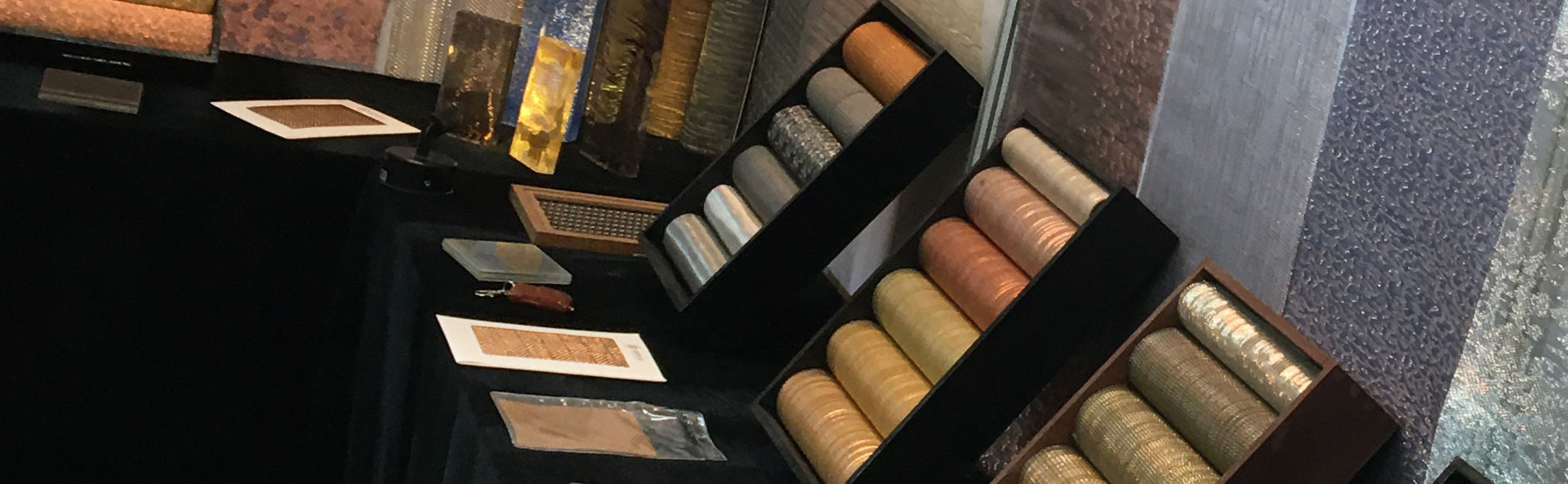
Architectural woven metal fabric can be supplied in different finishes depending on the metal and manufacturing process.
Possible finishes include:
Natural metallic finish
Polished finish
Brushed finish
Satin finish
Colored coating
PVD-type decorative finishes for suitable products
Other customized finishes
The finish affects how the mesh interacts with light.
A reflective finish can emphasize movement and highlights.
A darker finish can create a more understated appearance.
A warm metallic finish can complement wood, stone, and luxury interior materials.
20. How to Specify Architectural Woven Metal Fabric
Architects and contractors should provide detailed information when requesting samples or quotations.
Important specifications include:
Mesh Pattern
Specify the required weave or decorative pattern.
Wire Diameter
This affects the appearance, weight, and physical characteristics of the mesh.
Mesh Opening
The opening influences transparency, airflow, and visual density.
Material
Specify stainless steel, aluminum, brass, copper, or another required metal.
Dimensions
Provide:
Width × height
or the required roll dimensions.
Finish
Specify the required surface treatment or color.
Installation
Indicate whether the mesh will be:
Fixed to a frame
Tensioned
Suspended
Mounted on a track
Used as a curtain
Installed as facade panels
Quantity
For commercial projects, provide the total required area or number of panels.
A clear specification allows manufacturers to recommend a suitable mesh construction and provide a more accurate quotation.
21. Why the Fixing System Matters
Architectural mesh is only one part of the final installation.
The supporting system can include:
Frames
Rods
Cables
Tracks
Tensioning systems
Clips
Hooks
Edge reinforcement
Custom architectural fittings
For facade applications, structural design becomes particularly important.
The system must account for:
Mesh weight
Wind loads
Building movement
Attachment points
Maintenance access
Installation tolerances
A high-quality mesh cannot compensate for an unsuitable fixing system.
22. What Should Buyers Check Before Ordering?
For project buyers and distributors, several points should be confirmed before production.
Material
Confirm the metal grade or alloy.
Mesh Construction
Confirm the exact weave pattern.
Dimensions
Confirm width, height, panel size, or roll size.
Appearance
Approve a physical sample when color and texture are important.
Open Area
Confirm the approximate or specified opening ratio when transparency or airflow matters.
Weight
Confirm the approximate weight per square meter for structural and transportation planning.
Finish
Confirm the surface finish and color.
Installation
Confirm whether the supplier provides only mesh or also the complete fixing system.
Packaging
Large architectural mesh panels and rolls require suitable export packaging to reduce the risk of deformation, scratching, or tangling during transportation.
Architectural Woven Metal Fabric Applications at a Glance
Building Area
Possible Application
Facade Decorative screen, secondary facade
Windows Sun screen, visual filter
Entrance Feature wall, decorative screen
Lobby Partition, backdrop
Restaurant Room divider, decorative curtain
Hotel Lobby, ceiling, partition
Retail Display, partition, feature wall
Office Space zoning, decorative wall
Staircase Balustrade infill
Balcony Privacy or decorative screen
Parking garage Open facade screen
Ceiling Suspended decorative feature
Elevator area Decorative enclosure
Exhibition space Display and spatial separation
Outdoor area Terrace and courtyard screen
FAQ About Architectural Woven Metal Fabric
What is architectural woven metal fabric used for?
It is used for building facades, sun screens, room dividers, ceilings, balustrades, decorative walls, hotel interiors, retail spaces, parking structures, entrances, and other architectural applications.
Is architectural woven metal fabric flexible?
Some woven metal fabrics are highly flexible, while others are relatively rigid. Flexibility depends on the weave pattern, wire diameter, material, and construction.
Can woven metal fabric be used outdoors?
Yes, suitable architectural mesh can be used outdoors. Material grade, surface finish, wind loads, fixing systems, and environmental exposure should be evaluated before installation.
What is the most common material for architectural woven mesh?
Stainless steel is widely used because of its combination of corrosion resistance, strength, and modern appearance. Aluminum, brass, copper, and other metals are also available for suitable applications.
Can architectural mesh be customized?
Yes. Depending on the manufacturer, weave pattern, wire diameter, mesh opening, dimensions, material, finish, and color can often be customized.
Can woven metal fabric be used for facades?
Yes. It can be installed as a decorative facade, secondary facade layer, sun screen, or visual screen. The fixing system and structural requirements must be considered for exterior projects.
Can architectural mesh replace a solid wall?
It can function as a spatial divider or visual screen, but it does not provide the same properties as a solid wall. Fire separation, acoustic separation, structural requirements, and building regulations must be evaluated separately.
How do architects choose the right woven metal mesh?
Start with the intended application and then define the required transparency, opening ratio, wire diameter, material, finish, dimensions, weight, and installation method.
Final Thoughts
Architectural woven metal fabric is more than a decorative metal mesh.
Its open structure allows designers to combine visual texture, transparency, airflow, light control, and spatial separation in a single material.
In buildings, it can appear on the outside as a facade screen or solar-control layer and on the inside as a partition, ceiling, balustrade, feature wall, or decorative curtain.
Its versatility comes from the wide range of available:
Weave patterns + wire diameters + mesh openings + metals + finishes + installation systems
For architects, interior designers, contractors, and distributors, the most effective way to select architectural woven metal fabric is to start with the building function and design objective, then choose the mesh specification accordingly.
For custom projects, providing drawings, dimensions, reference images, and installation requirements to an experienced architectural mesh manufacturer can help ensure that the final product matches both the design concept and the practical requirements of the building.
Recommended News