
-
About UsProductsCustomized SolutionProjectGalleryNews
News
Perforated Metal vs Woven Mesh for Architectural Design
Release time: March 20, 2026In modern architecture, material selection plays a crucial role in both aesthetics and performance. Among the most popular choices for facades, interiors, and functional design elements are perforated metal panels and woven metal mesh.

While both materials offer unique visual appeal and versatility, they differ significantly in structure, performance, and application. For architects, designers, and contractors, understanding the differences between perforated metal vs woven mesh for architectural design is essential to making the right decision.
What Is Perforated Metal?
Perforated metal is created by punching holes into flat metal sheets using CNC machines. These holes can vary in size, shape, and pattern.
Key Features:
Rigid and flat structure
Precise and uniform hole patterns
High strength and durability
Wide range of customization options
Common Materials:
Aluminum
Stainless steel
Mild steel
What Is Woven Metal Mesh?
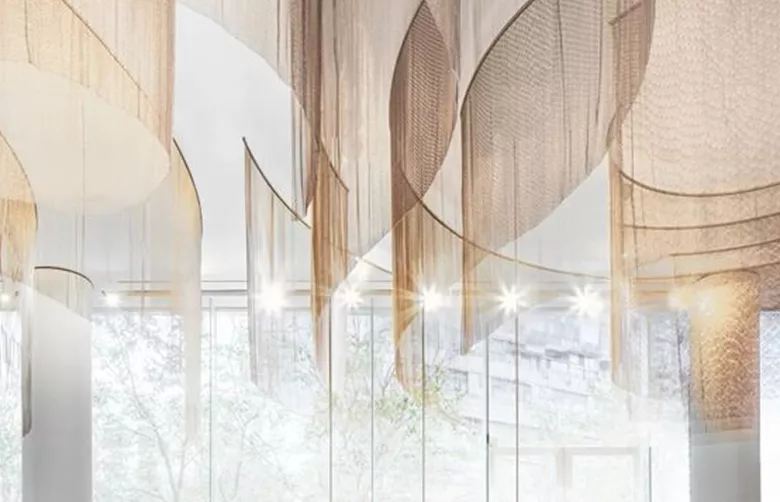
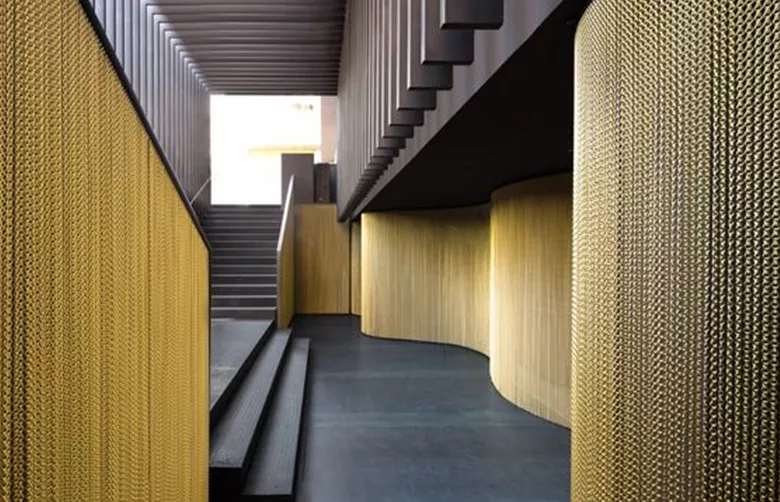
Woven metal mesh is produced by interweaving metal wires into flexible patterns, similar to textile weaving.
Key Features:
Flexible and dynamic structure
Textured and elegant appearance
Varying degrees of transparency
Lightweight compared to solid panels
Common Materials:
Stainless steel
Aluminum
Brass and copper
Key Differences Between Perforated Metal and Woven Mesh
1. Structure and Flexibility
Perforated Metal:
Rigid and non-flexible
Maintains a flat surface
Woven Mesh:
Flexible and adaptable
Can be shaped, curved, or draped
Recommended News