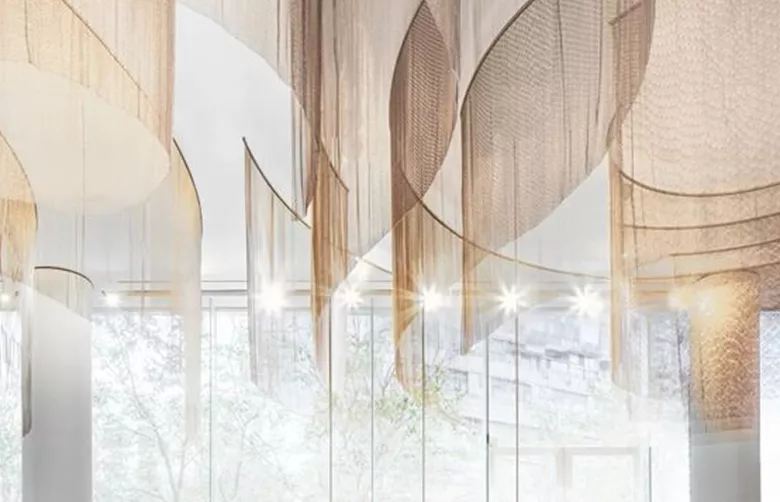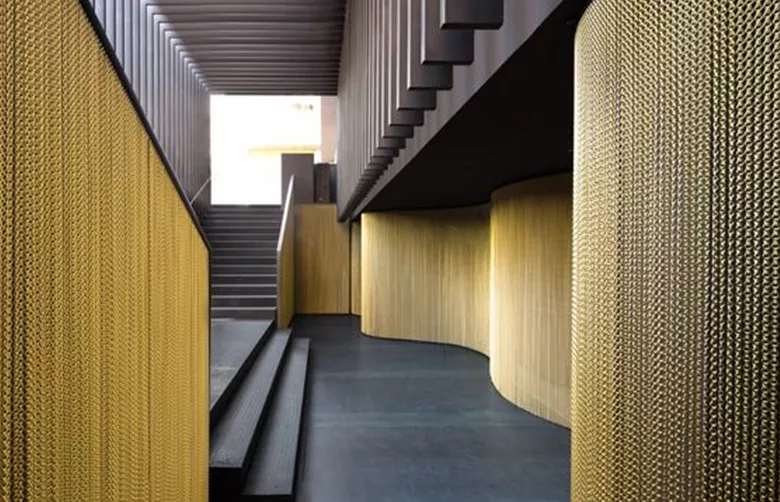

-
About UsProductsCustomized SolutionProjectGalleryNews
News
What Is Woven Metal Used for in Interior Design Projects?
Release time: June 22, 2026Woven metal has become one of the most innovative and widely used materials in modern interior design. As architecture continues to evolve toward more open, industrial, and visually dynamic spaces, designers are increasingly turning to woven metal as a solution that combines aesthetic appeal, durability, and functional flexibility.
From luxury hotels and retail stores to offices and cultural buildings, woven metal is shaping the future of interior environments.
But what is woven metal actually used for in interior design projects?
This article explores its key applications, benefits, and why it has become a global design trend.
What Is Woven Metal?
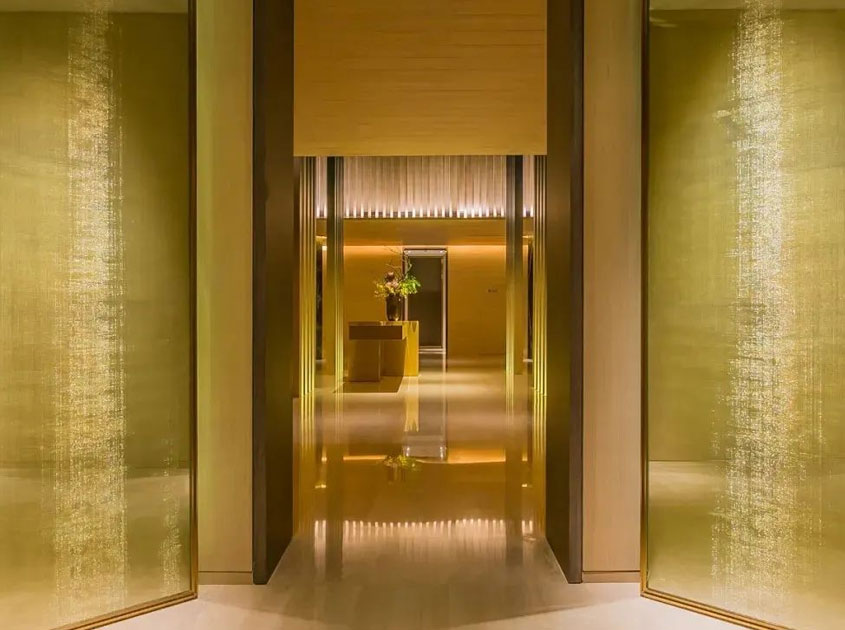
Woven metal is a decorative and functional material made by weaving metal wires—usually stainless steel, aluminum, or copper—into mesh-like patterns.
Unlike rigid panels, woven metal is:
Flexible or semi-flexible
Highly durable
Transparent or semi-transparent
Available in custom patterns and finishes
Common types include:
Architectural woven mesh
Decorative wire fabric
Stainless steel woven mesh
Flexible metal curtain mesh
Its unique texture allows it to interact with light and space in ways traditional materials cannot.
1. Interior Space Division Without Blocking Light
One of the most common uses of woven metal in interior design is space separation.
It is widely used in:
Hotel lobbies
Restaurants and bars
Office interiors
Shopping malls
Exhibition spaces
Unlike solid walls, woven metal partitions:
Maintain visual openness
Allow natural light flow
Improve air circulation
Create subtle spatial boundaries
This makes it ideal for modern open-plan design concepts.
2. Decorative Wall and Feature Surfaces
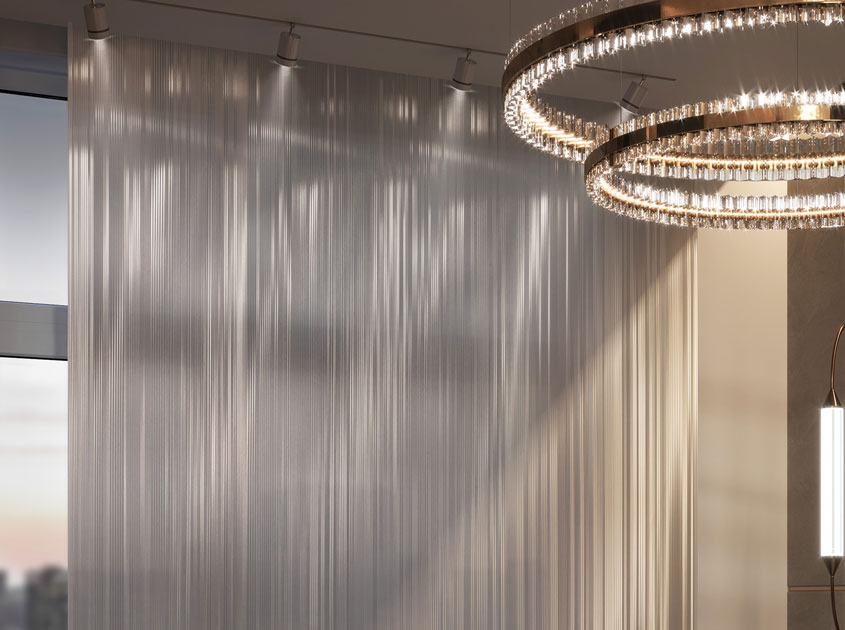
Woven metal is often used as a feature material for walls to create visual impact.
Designers use it for:
Accent walls in hotels
Brand identity backgrounds in retail stores
Reception area decoration
Artistic interior installations
Its reflective surface creates dynamic light effects that change depending on viewing angle and lighting conditions, adding depth and sophistication to interior spaces.
3. Ceiling Design and Lighting Enhancement
In modern interiors, ceilings are no longer just structural elements—they are part of the design experience.
Woven metal is used for:
Suspended ceiling panels
Decorative ceiling layers
Light-diffusion systems
Integrated lighting designs
The metallic surface reflects and softens light, creating a layered and atmospheric environment.
4. Furniture and Interior Fixtures
Woven metal is also used in custom furniture and interior design elements such as:
Cabinet doors
Bar counters
Shelving systems
Decorative screens
Its combination of strength and flexibility allows designers to create modern, industrial-style furniture with unique textures.
5. Elevator and Architectural Interior Cladding
In commercial buildings, woven metal is frequently used for architectural detailing.
Applications include:
Elevator cabin interiors
Escalator side panels
Column wrapping
Corridor wall cladding
These applications help create a consistent modern design language across the building interior.
6. Sunlight Control and Energy Efficiency
Woven metal is not only decorative—it also plays a functional role in controlling light.
When installed near glass surfaces, it helps:
Reduce glare
Filter direct sunlight
Improve indoor comfort
Lower cooling energy consumption
This makes it especially valuable in modern buildings with large glass façades.
7. Safety and Protective Applications
Woven metal is widely used in interior safety systems due to its strength and transparency.
Common uses include:
Staircase rail infill panels
Balcony safety screens
Public area partitions
Elevator shaft protection
It provides safety without visually closing off spaces, maintaining architectural openness.
8. Advantages of Woven Metal in Interior Design
Woven metal offers a unique combination of benefits:
Key advantages:
High durability and long service life
Fire resistance (especially stainless steel)
Low maintenance requirements
Flexible design possibilities
Modern and premium visual appearance
These characteristics make it suitable for both functional and decorative applications.
9. Comparison with Traditional Interior Materials
Material
Flexibility
Transparency
Durability
Design Impact
Woven metal High Adjustable Very high Strong modern look
Fabric curtain High Low Low Soft appearance
Glass partition Low Fixed Medium Clean but rigid
Wood panel Low None Medium Natural but static
Woven metal stands out for combining industrial strength with design flexibility.
10. Material Options and Finishes
Different materials are used depending on design requirements:
Stainless steel: premium durability and corrosion resistance
Aluminum: lightweight and cost-efficient
Copper or brass: luxury decorative applications
Surface finishes include:
Polished metallic
Brushed texture
Anodized color coatings
These options allow designers to match different architectural styles.
11. Global Demand in Interior Design Projects
Woven metal is widely used in global interior design, especially in:
Luxury hotels and resorts
Commercial shopping malls
Corporate offices
Airports and transportation hubs
Cultural and exhibition centers
Its popularity continues to grow as architects seek modern materials that combine aesthetics and performance.
Why Global Buyers Source from China
China is a major supplier of woven metal products due to:
Advanced weaving technology
Strong customization capability
Large production capacity
Competitive pricing
Efficient global export systems
Chinese manufacturers supply woven metal to:
Europe
North America
Middle East
Southeast Asia
South America
Africa
Conclusion
Woven metal is widely used in interior design projects because it combines visual elegance, structural strength, and functional versatility. It is used in partitions, ceilings, walls, furniture, and architectural detailing, making it a key material in modern interior environments.
Its ability to control light, define space, and create dynamic visual effects makes it a preferred choice for designers and architects worldwide.
As a professional Chinese woven metal manufacturer and exporter, providing customized decorative mesh solutions helps global clients achieve innovative, durable, and visually striking interior design projects.
Recommended News