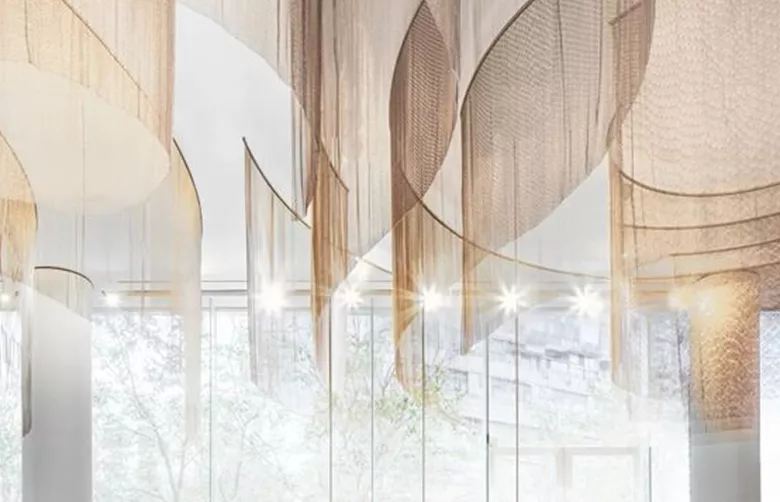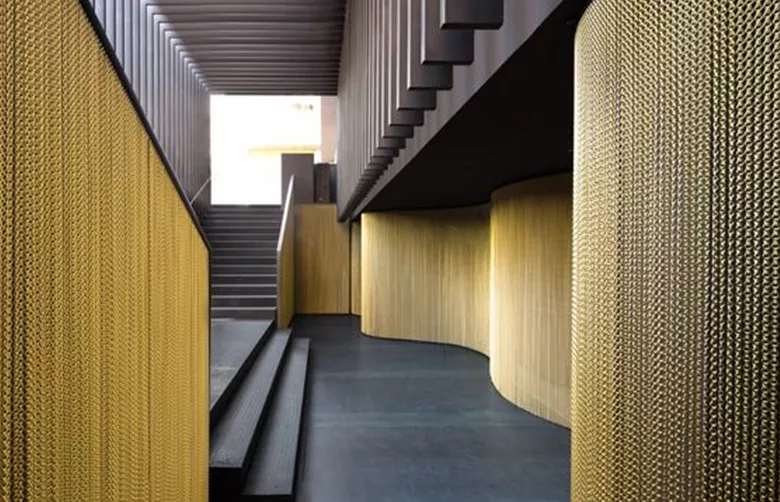

-
About UsProductsCustomized SolutionProjectGalleryNews
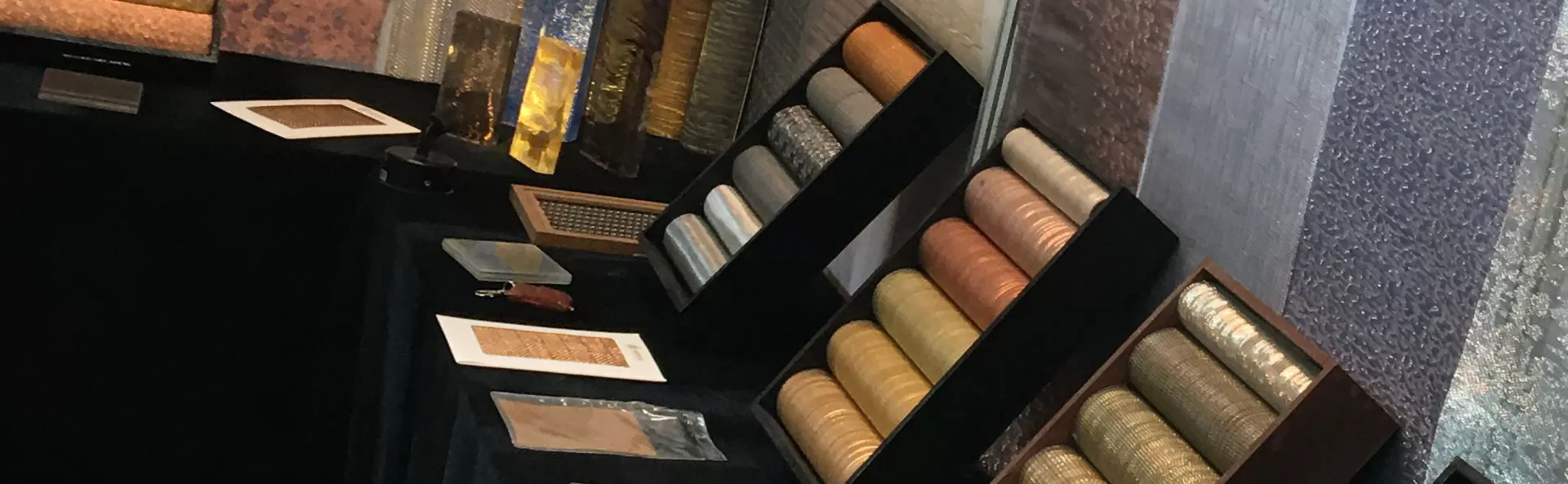
News
Decorative Wire Mesh for Facade and Ceiling: A Complete Guide for Modern Architecture
Release time: April 30, 2026In modern architectural design, materials must deliver both visual impact and functional performance. One solution that has gained significant popularity among architects and developers is decorative wire mesh for facade and ceiling applications.
From large commercial buildings to high-end interiors, decorative wire mesh offers a perfect balance of aesthetics, durability, and versatility. It is widely used to enhance building exteriors while creating dynamic and elegant interior ceiling systems.
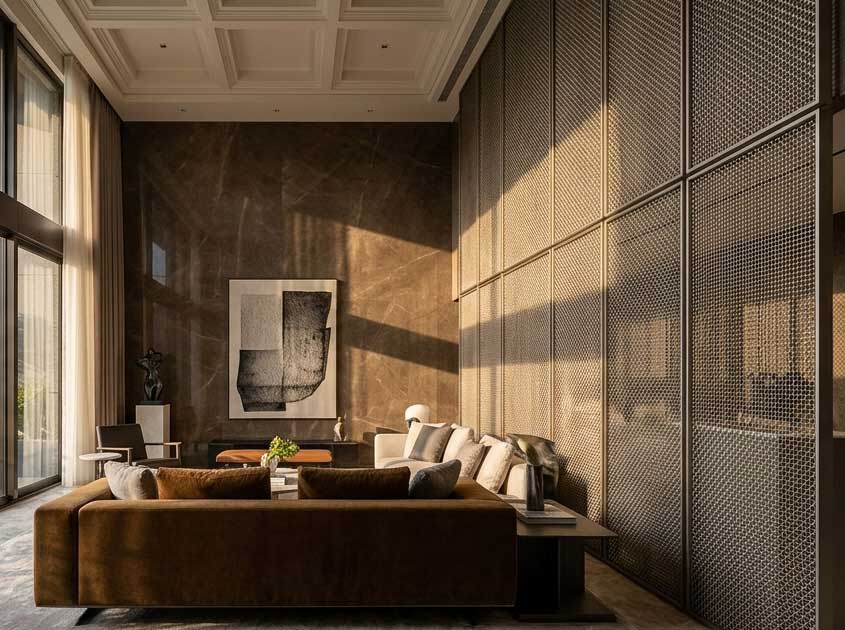
This guide explores the benefits, applications, types, and selection tips for decorative wire mesh, helping global buyers and project planners make informed decisions.
What Is Decorative Wire Mesh?
Decorative wire mesh is a type of metal mesh designed specifically for architectural and interior applications. It is manufactured by weaving or welding metal wires into various patterns, offering both decorative and functional advantages.
Common materials include:
Stainless steel
Aluminum
Brass and copper
Carbon steel with coatings
It is widely used in facades, ceilings, partitions, and wall coverings.
Why Use Decorative Wire Mesh for Facade and Ceiling?
Decorative wire mesh is increasingly popular due to its unique combination of design flexibility and performance.
1. Modern Aesthetic Appeal
Elegant metallic textures
Wide range of patterns
Custom finishes for unique designs
2. Light and Transparency Control
Allows natural light to pass through
Creates dynamic lighting effects
3. Ventilation and Airflow
Ideal for ventilated facades
Improves indoor air circulation
4. Durability and Strength
Resistant to corrosion and wear
Suitable for long-term use
5. Energy Efficiency
Acts as a sunshade
Reduces heat gain and cooling costs
Applications of Decorative Wire Mesh
1. Building Facades
Decorative mesh is widely used in exterior cladding systems.
Benefits:
Enhances architectural appearance
Provides shading and privacy
Allows airflow and ventilation
Common in commercial buildings, airports, and shopping malls.
2. Ceiling Systems
Decorative wire mesh is increasingly used in modern ceilings.
Applications:
Suspended ceiling panels
Lighting integration
Acoustic control
Creates visually striking interior environments.
3. Interior Wall Coverings
Hotels and luxury residences
Office spaces
Retail environments
Adds texture and depth to interiors.
4. Partitions and Screens
Office partitions
Decorative dividers
Privacy screens
5. Balustrades and Railings
Staircases
Balcony enclosures
Types of Decorative Wire Mesh for Facade and Ceiling
1. Woven Wire Mesh
Features:
Flexible and elegant
Variety of patterns
Ideal for ceilings and decorative facades
2. Cable (Rope) Mesh
Features:
Lightweight and flexible
Suitable for large-span facades
High tensile strength
3. Rigid Welded Mesh
Features:
Strong and stable
Suitable for structural applications
4. Expanded Metal Mesh
Features:
Lightweight and rigid
Unique geometric design
Ideal for modern facades
Key Specifications to Consider
1. Material Selection
Stainless steel → corrosion resistance and durability
Aluminum → lightweight and cost-effective
Brass/copper → decorative luxury finish
2. Wire Diameter
Thin wires → decorative ceilings
Thick wires → facade strength
3. Mesh Opening Size
Small openings → shading and privacy
Large openings → transparency and light
4. Surface Finish
Polished → high-end appearance
Matte → modern industrial style
Powder coated → color customization
5. Panel Size and Installation
Custom sizes available
Flexible mounting systems
Facade vs Ceiling Design Considerations
Facade Applications
Focus on:
Weather resistance
Structural strength
Sun shading performance
Ceiling Applications
Focus on:
Aesthetic design
Lightweight materials
Integration with lighting and HVAC systems
Proper design ensures optimal performance in both applications.
How to Choose the Right Decorative Wire Mesh
1. Define Project Requirements
Facade → durable, weather-resistant mesh
Ceiling → lightweight decorative mesh
2. Consider Environmental Conditions
Outdoor → stainless steel or coated materials
Indoor → more flexibility in material choice
3. Balance Transparency and Function
High transparency → large openings
More shading → smaller openings
4. Evaluate Budget
Aluminum → economical
Stainless steel → premium
5. Check Installation Needs
Support structure compatibility
Mounting system design
Advantages for Architects and Developers
Enhances modern architectural design
Improves building performance
Supports energy-efficient construction
Offers flexible customization options
Increases property value
Common Mistakes to Avoid
Using indoor mesh for outdoor facades
Ignoring corrosion resistance
Choosing wrong mesh size for application
Overlooking installation complexity
Focusing only on design without performance
Why Work with a Professional Manufacturer
A reliable manufacturer ensures:
High-quality materials
Precision production
Custom design capabilities
Consistent quality control
Technical support
Why Choose Us as Your Supplier
As a professional decorative wire mesh manufacturer in China, we provide customized solutions for facade and ceiling applications worldwide.
Our Advantages:
Wide range of decorative mesh patterns and materials
Custom sizes, finishes, and designs
High-quality stainless steel and aluminum products
Advanced manufacturing technology
Competitive factory pricing
Strong export experience
Professional technical support
We help clients create innovative, durable, and visually stunning architectural solutions.
Conclusion
Decorative wire mesh for facade and ceiling is a versatile material that combines aesthetics, functionality, and durability.
Ideal for both exterior and interior applications
Enhances lighting, ventilation, and design
Offers long-term performance with low maintenance
The right selection ensures a perfect balance between visual appeal and structural performance.
Recommended News